Birdie: AI Travel Planning
Travel
AI-Enabled Platform


CLIENT
Birdie
CATEGORY
Travel
TIMEFRAME
8 Weeks
SERVICE
Product Strategy
Development
About Project

- 88,000 itineraries created in the first year.
- 34 saved posts converted into a structured plan on the average trip.
- 40 seconds to a first draft itinerary from an imported collection.
- 31% of users book at least one item through the platform.
- 14 minute average session, which for a planning tool is engagement rather than friction.
- Built in 8 weeks.
Challenge & Solution

Challenge
Travelers saved inspiration across multiple content platforms but struggled to convert saved ideas into structured travel plans and actionable itineraries.

Solution
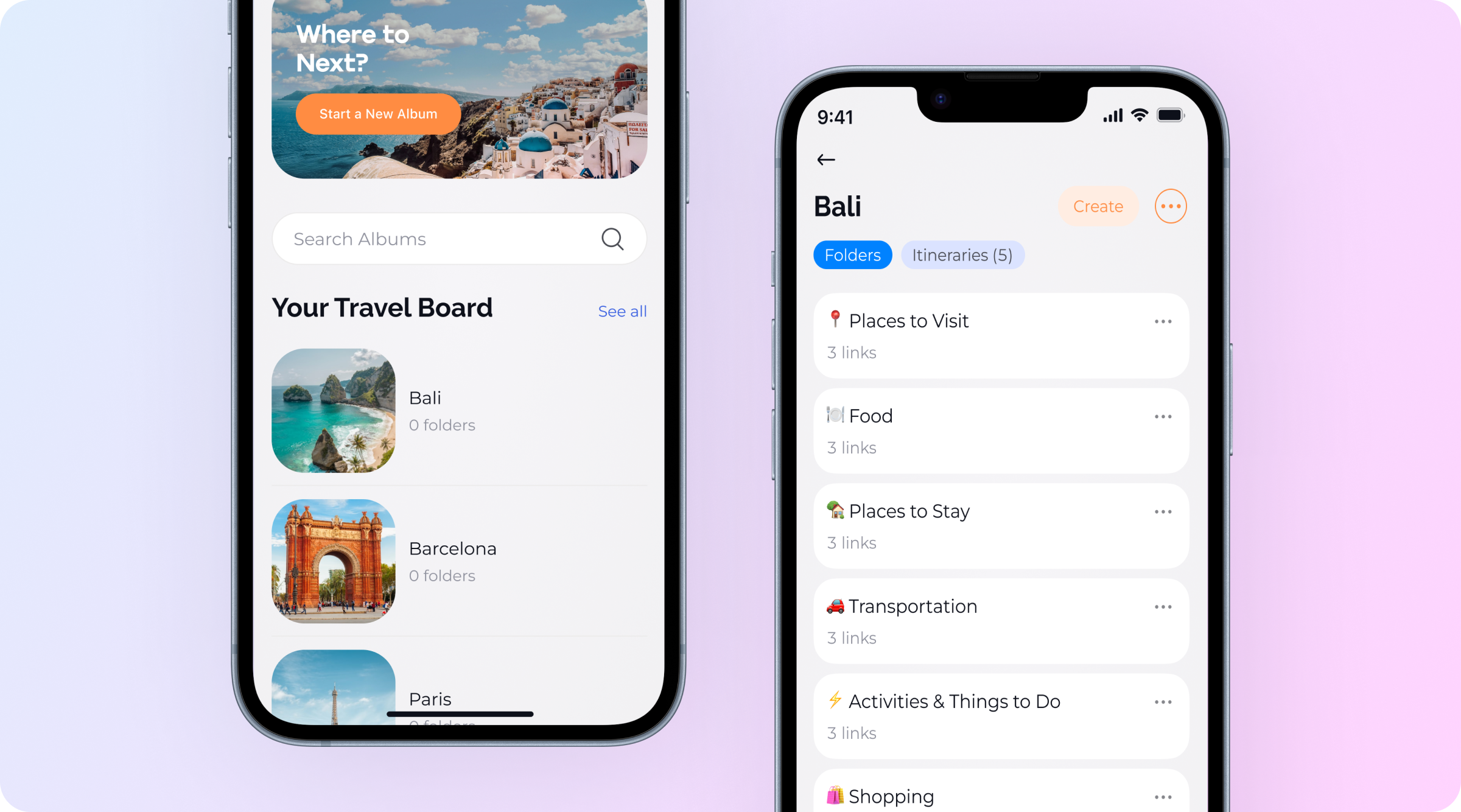
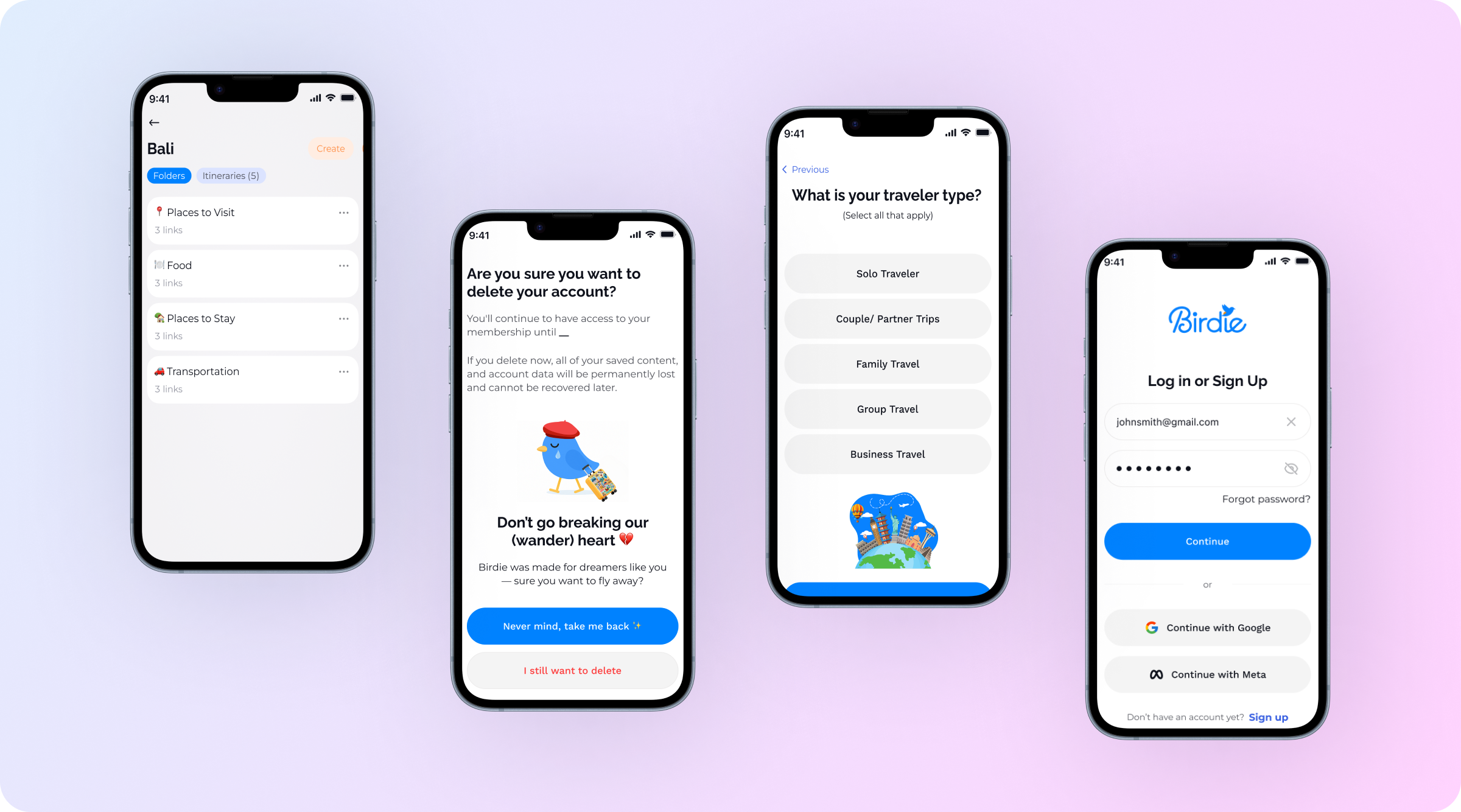
We built a personalized travel planning platform that transforms saved travel inspiration into curated itineraries, simplifying research workflows and helping users plan trips more confidently and efficiently.
The founder had roughly four hundred saved Reels of places she wanted to visit and could not tell you which country half of them were in. Saving travel inspiration takes a quarter of a second. Retrieving it is close to impossible.
The collection was also scattered by design. Instagram saves, TikTok favourites, a Pinterest board, a screenshots folder and a note full of pasted links, none of which know the others exist. By the time a trip was actually being planned, the saved content was unusable and the planning started again from Google.
She had looked at the AI trip planners that appeared in 2024 and found them beside the point. They generate suggestions. She did not need suggestions. She had four hundred of them already and needed to turn them into a Tuesday.
The conversion number tells the story: thirty-four saved posts turning into an actual plan, per trip. That is the gap the product was built to close, and it is the reason people come back rather than treating it as a one-off novelty.
Affiliate revenue covers infrastructure and the team. Two travel brands now white-label the engine for their own audiences, and flight search is the next integration.
Import from Instagram saves, TikTok, Pinterest and pasted links, which is where the raw material already lives.
Location extraction is the hard part and the core of the build. The system reads geotags where present, and where they are not it parses captions, on-screen text and comment threads to work out which restaurant in which city a fifteen second video is actually about. Saved items then group by destination automatically.
From there the itinerary builder sequences saved places against opening hours, seasonal closures and travel time between stops, and flags where a day is overbooked rather than silently producing something unachievable. Gaps get filled with suggestions only when the user asks.
Trips can be edited collaboratively with per-person voting on optional stops, and everything exports to PDF and calendar for offline use.
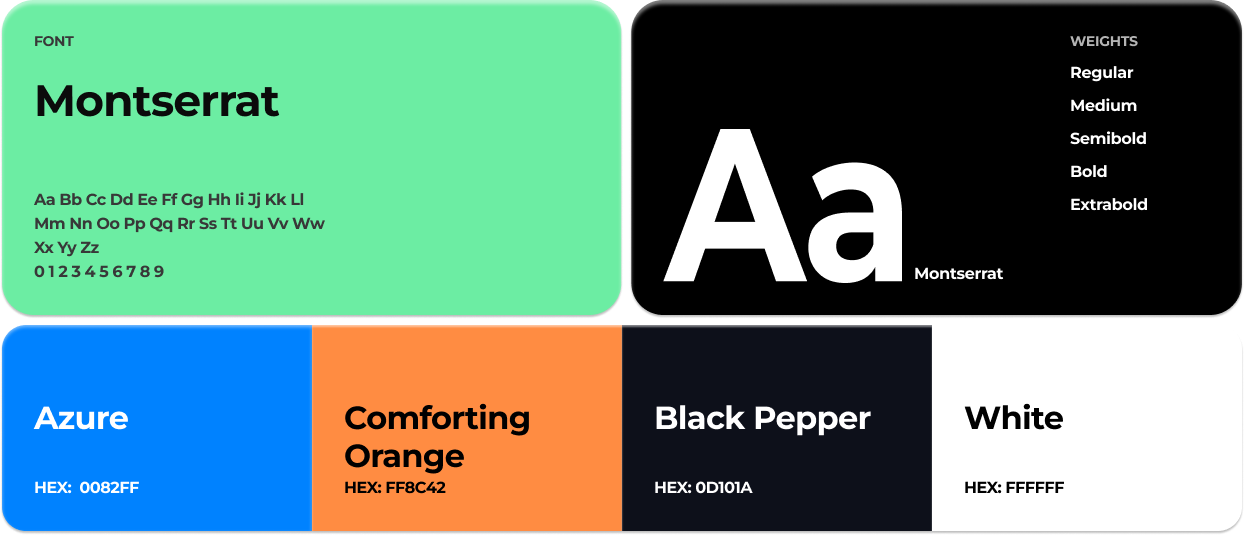
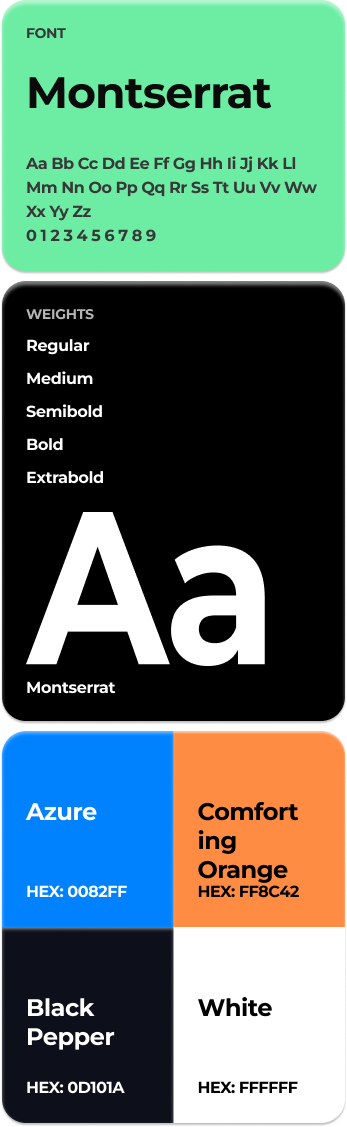
Typography & Color