EdgeBase: VC Deal Tracking CRM
Finance
Internal Tool


CLIENT
Edge Case Capital
CATEGORY
Finance
TIMEFRAME
6 Weeks
SERVICE
Product Strategy
Development
About Project

- Investment committee memos in 90 minutes, down from six hours of assembling notes by hand.
- 340 deals tracked in year one, against roughly 120 that ever made it into the old spreadsheets.
- Partner meeting prep cut from 4 hours a week to 45 minutes.
- Three offices on one pipeline, replacing five separate tracking systems.
- No deals lost to a missed follow-up since launch, against eight the fund could identify in the prior year.
- Built in 6 weeks.
Challenge & Solution

Challenge
Venture capital teams tracked deals across spreadsheets, notes, and emails, causing fragmented communication and inconsistent evaluation processes. Opportunities were frequently lost or delayed due to lack of structured tracking and collaboration tools between teams and offices.

Solution
We built a centralized investment management platform that organizes deal pipelines, structures communication tracking, and improves internal collaboration. This enables venture teams to maintain clear investment visibility and streamline due diligence processes across distributed teams.
EdgeBase is a nine-person early-stage fund with partners in three cities. Each analyst kept a personal pipeline spreadsheet, deal conversations lived in individual inboxes, and the shared drive held a folder of memos nobody could search usefully.
The trigger was specific. A partner passed on a company, and eight months later a different partner passed on the same company again, for a different reason, without knowing the first conversation had happened. The founder had a fair question about why a fund that had met them twice had never mentioned it.
They had priced Affinity and a Salesforce build. Affinity came close but assumed a relationship-intelligence model they did not want to pay for, and Salesforce needed an admin they were not going to hire. What they actually wanted was narrow: their own scoring rubric, weighted to their thesis, producing the memo format they already used. A portfolio company we had built for made the introduction.
All nine people use it, which is the part that usually fails. The scoring rubric turned out to matter more than the pipeline: partners now see where they disagree before the meeting rather than during it, and the disagreement itself has become the useful signal.
The fund closed its second vehicle the following year and onboarded three new team members in an afternoon each. They have since asked about licensing the system to two other funds in their network, which is a conversation still in progress.
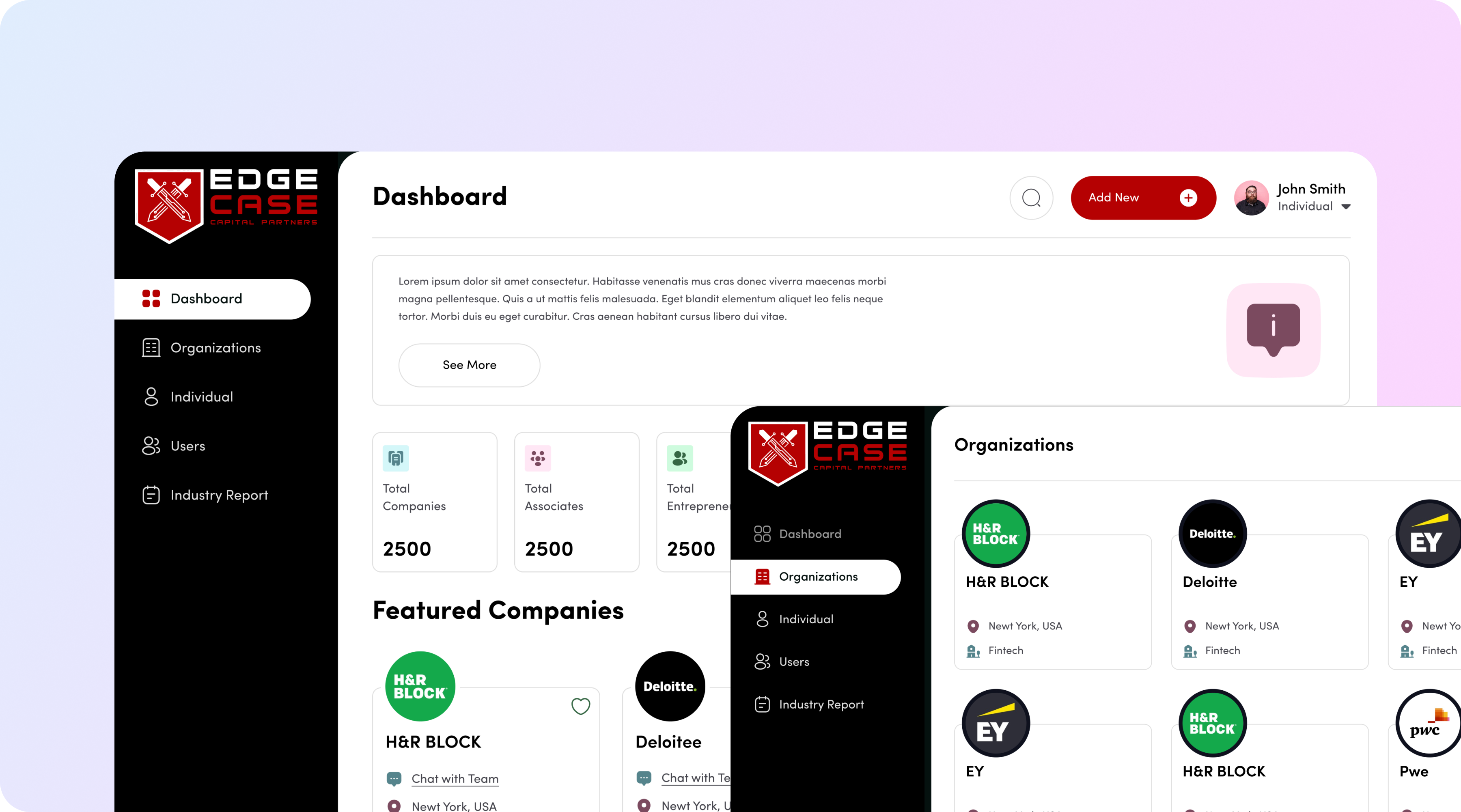
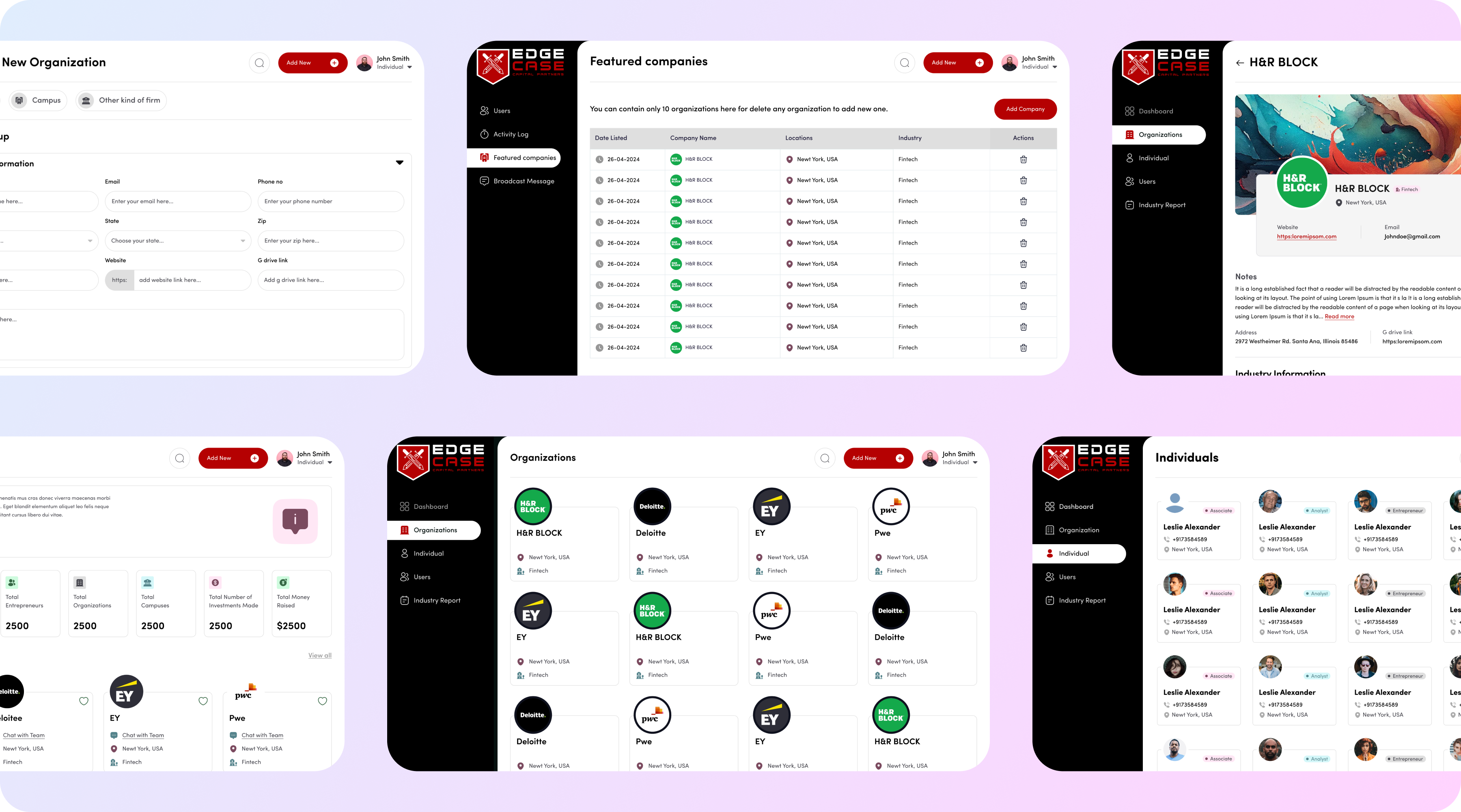
A pipeline board organised by stage, with company records that enrich from a domain (team, funding history, headcount trajectory) so an analyst is not retyping a Crunchbase page.
Email sync across Gmail and Outlook threads every conversation onto the relevant deal automatically, which is what makes shared history real rather than aspirational. Any partner can see who last spoke to a founder and what was said.
The scoring rubric is theirs: weighted criteria matched to their investment thesis, scored independently by each partner, with divergence surfaced rather than averaged away. The memo generator assembles an IC draft from those structured fields in the fund's own format.
Past the pipeline, the system tracks portfolio companies through subsequent rounds with ownership and dilution, fires Slack notifications on stage change, enforces follow-up rules on configurable timers, and exports LP reporting without anyone rebuilding a spreadsheet each quarter.
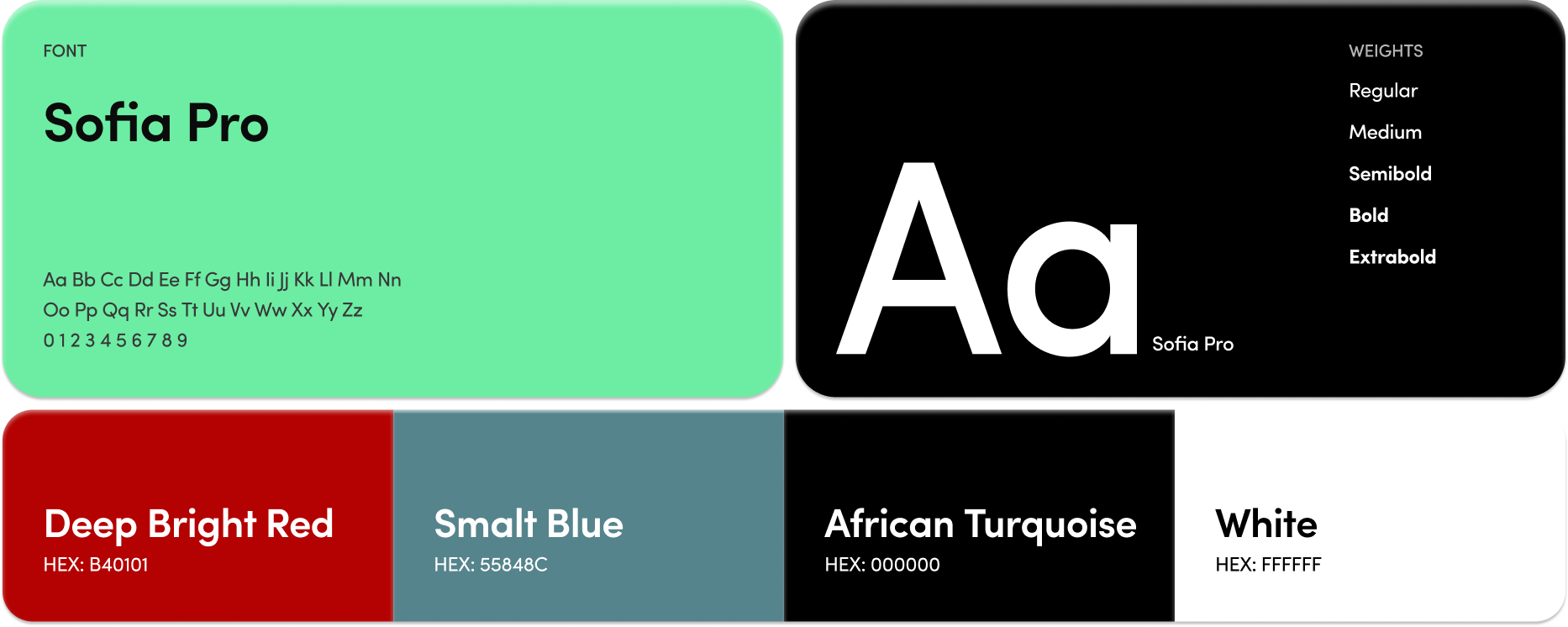
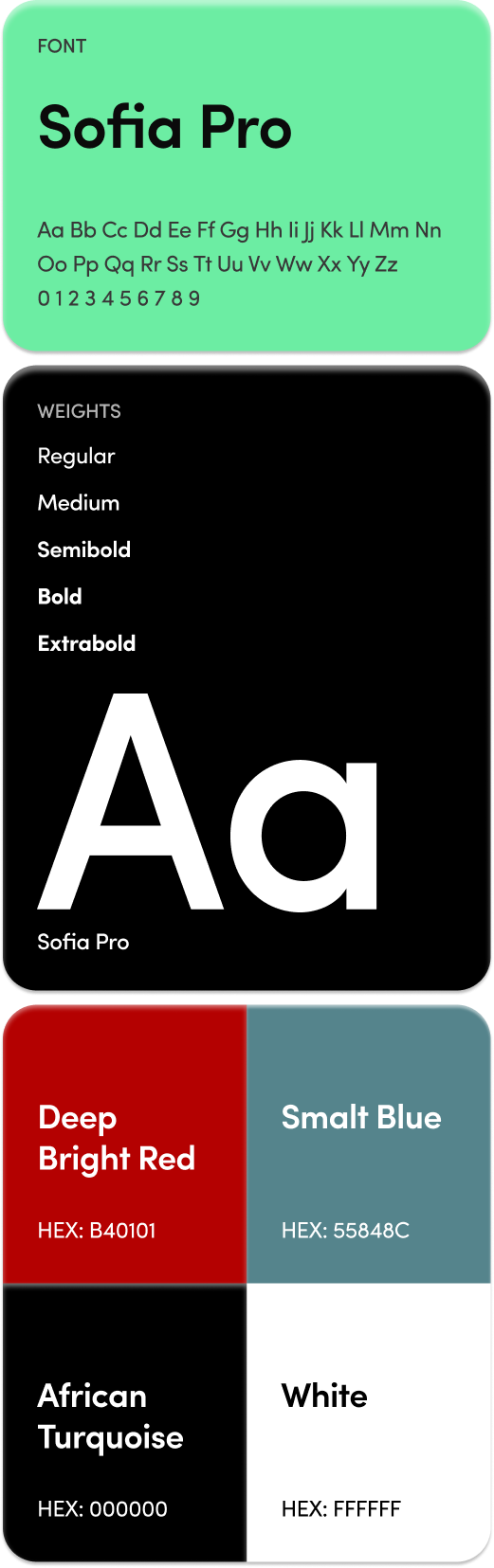
Typography & Color