GoHangars: Airplane Hangar App
Marketplace
Aviation


CLIENT
GoHangars
CATEGORY
Marketplace
TIMEFRAME
7 Weeks
SERVICE
Product Strategy
Development
About Project

- 1,240 hangar listings across 38 states in the first six months.
- Three weeks of phone calls down to same-day booking for an owner searching for space.
- Operator occupancy up from 61% to 83% across facilities active for a full year.
- $2.1M in booking volume in year one.
- 480 aircraft owners registered within 90 days of launch.
- MVP shipped in 7 weeks from the first call.

Challenge & Solution

Challenge
Aircraft owners faced difficulty locating available hangar space due to fragmented listings and lack of centralized booking solutions. Facility operators also struggled to consistently fill storage vacancies.

Solution
We created a nationwide hangar marketplace that centralizes availability, simplifies booking workflows, and improves storage utilization rates while helping aircraft owners easily locate and secure hangar facilities.
The founder spent eleven years managing an FBO before starting GoHangars, and he arrived with a spreadsheet: 300 rows of hangar operators he had phoned personally, door dimensions and monthly rates typed in by hand. He had built it to place his own aircraft, then found other owners kept asking to borrow it.
Finding hangar space in the US still works roughly the way it did in 1985. You call the airport, you reach the FBO, they tell you what they have or they do not pick up. Owners store six-figure aircraft based on whoever answered the phone. Operators, meanwhile, sit on empty bays for months with no way to advertise them beyond a sign at the gate.
He had tried twice to get it built. A designer produced a Figma file he liked; two offshore teams took deposits and delivered nothing usable. He was direct about not wanting to spend another six months finding that out again. We agreed a seven-week scope to a launchable marketplace with real listings in it, not a prototype.
GoHangars closed a seed round nine months after launch, on listing growth and repeat booking rate rather than a deck. The founder hired two people, one on operator supply and one on support, and stopped doing both jobs himself.
The spreadsheet is gone. What replaced it is a supply side that grows without him calling anyone: operators now find the platform and list themselves, which was the part he was least confident would happen. Transient bookings, which he had treated as an afterthought at launch, turned out to be a third of volume.
Maintenance and avionics providers go on next, using the same booking and payout infrastructure.
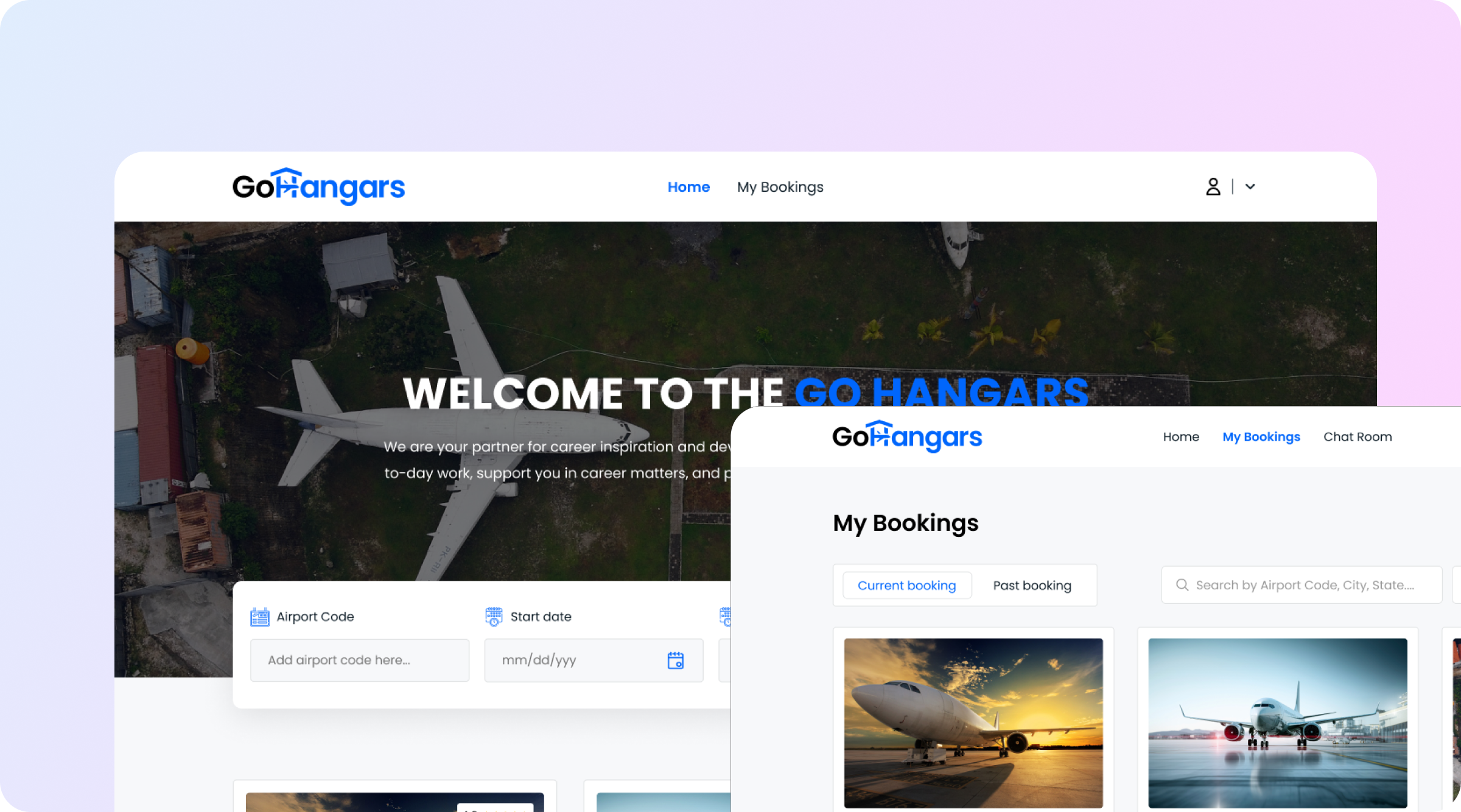
A two-sided marketplace with separate onboarding for aircraft owners and facility operators.
Listings capture what actually determines whether an aircraft fits: door width and height, usable depth, power availability, heated or unheated, shared or private bay. Search runs on airport identifier, so an owner types KAPA and sees what is open at Centennial, with map view and radius expansion when nothing local is free.
Owner profiles store wingspan, tail height and length, and listings filter against them automatically, so nobody books a bay their aircraft physically cannot enter. Availability runs on a calendar supporting monthly, annual and transient stays.
Payments run through Stripe Connect with automatic operator payouts and platform fee handling. Insurance certificates upload against each booking and are verified before confirmation. Operators get an occupancy dashboard, and both sides message inside the platform, so enquiries stay attached to the listing instead of disappearing into personal email.
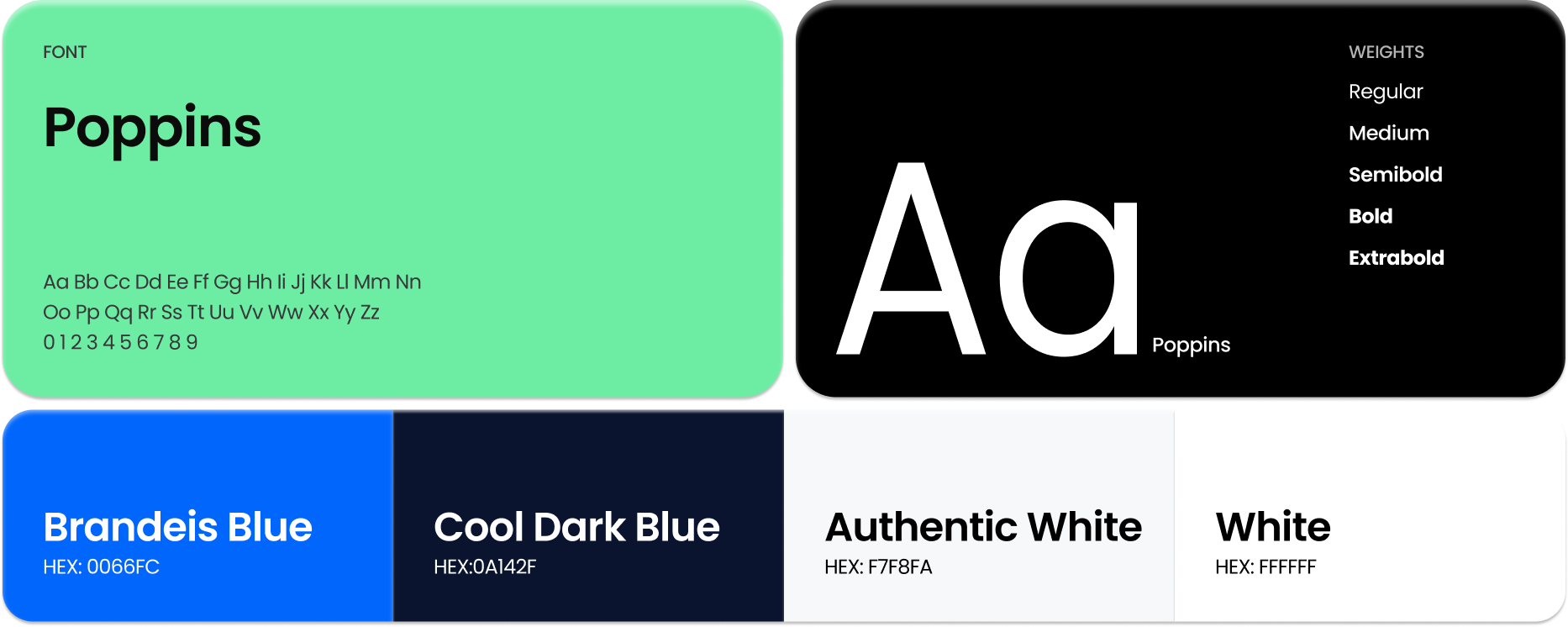
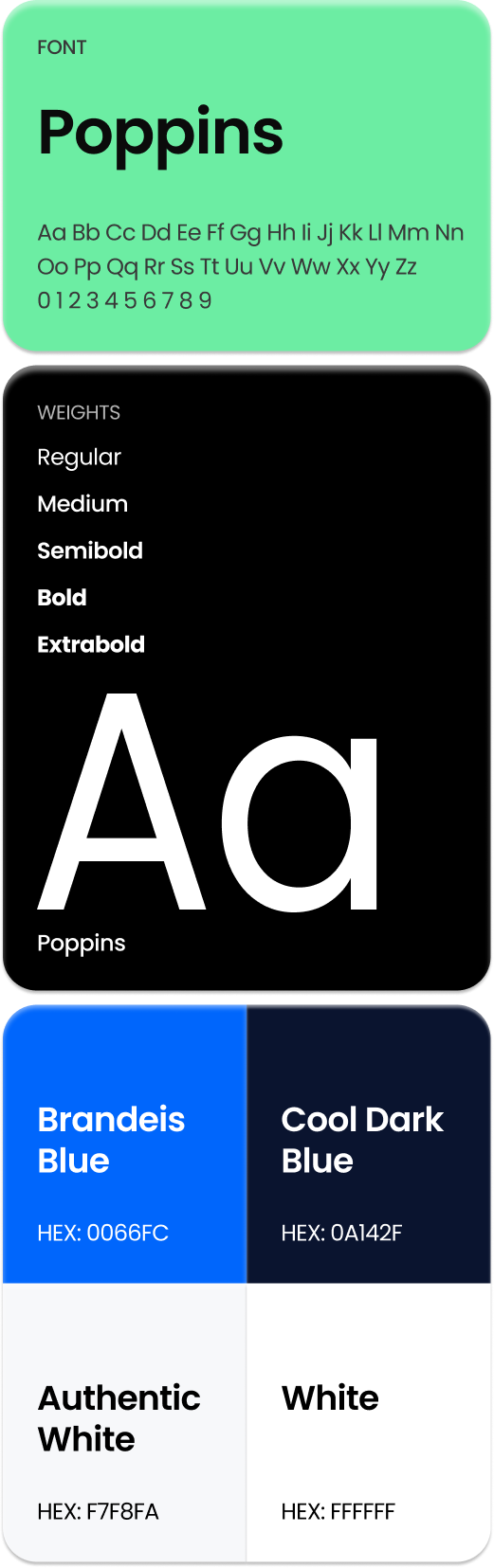
Typography & Color