Homer: Home Buying Platform
Real Estate
Workflow Automation


CLIENT
Homer
CATEGORY
Real Estate
TIMEFRAME
9 Weeks
SERVICE
Product Strategy
Development
About Project

- Average time to close down 11 days, from 43 to 32.
- Document chasing reduced by 71%, measured in agent hours per transaction.
- 4,200 transactions completed through the platform in the first year.
- Fall-through rate from 19% to 8%, most of the gain from earlier finance verification.
- All parties in one timeline, replacing an average of six separate email threads per deal.
- Built in 9 weeks.
Challenge & Solution

Challenge
Home buyers and sellers navigated multiple disconnected services across financing, inspections, and closing, leading to delays, communication breakdowns, and inefficient transaction workflows.

Solution
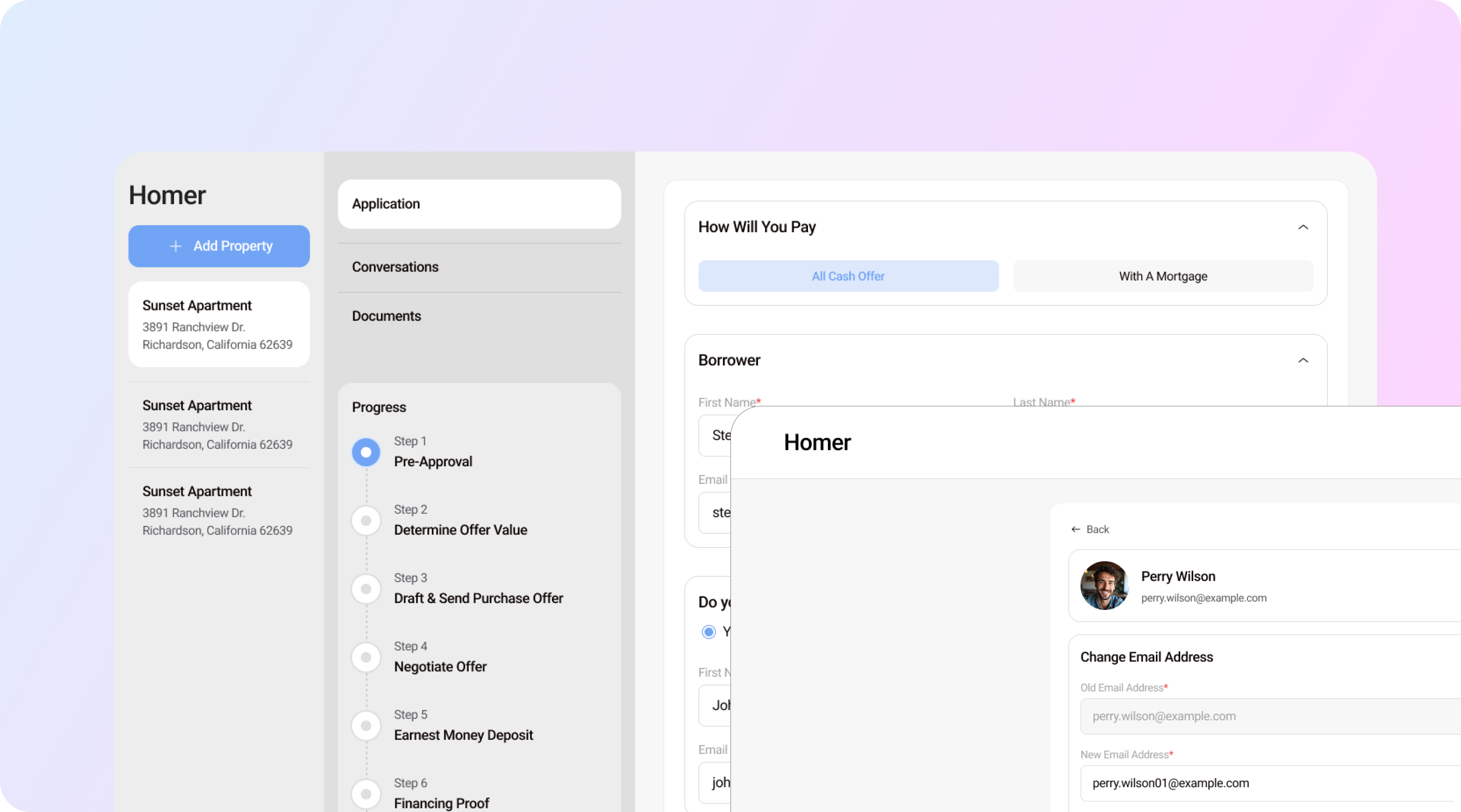
We built a guided transaction platform that organizes the entire property buying process into a structured digital journey, improving transparency, accelerating deal completion, and simplifying coordination across all parties.
A home purchase involves an agent, a lender, an inspector, an appraiser, a title company, a solicitor and two anxious households, and there is no shared source of truth between any of them. Every one of those parties has a system, none of the systems talk, and the connective tissue is email.
The client had processed enough transactions to know that delays are almost never caused by the actual work. They are caused by waiting: waiting for a document someone did not know was needed, waiting for a party who was never told they had become the blocker, waiting for a status update that requires three phone calls to assemble.
Buyers experienced this as silence. The single most common complaint was not that the process was slow, but that nobody could tell them what was happening or what they were waiting on.
Fall-through dropping from 19% to 8% is the number with real money attached, and it came almost entirely from verifying finance earlier rather than from anything downstream.
The buyer experience change was less measurable and more commented on. Removing the silence turned out to matter as much to satisfaction scores as removing the eleven days did.
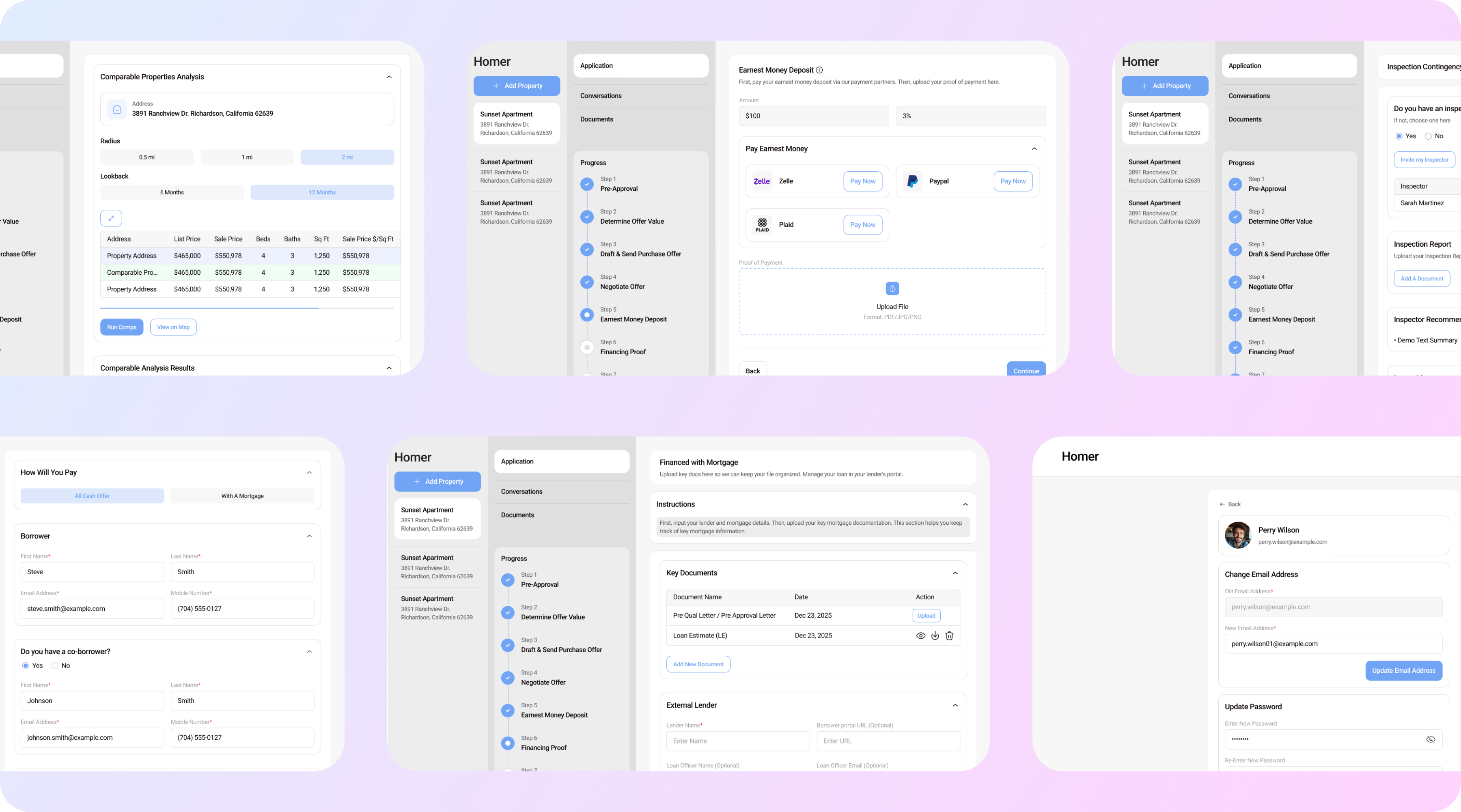
A single transaction timeline visible to every party, with each milestone showing who owns it, what it depends on and when it is due. The blocker is always identified by name, which is most of the value.
Document requests are issued against milestones, with secure upload, automatic completeness checking and reminders that escalate rather than repeat. It is the same principle a good GoHighLevel expert applies to lead follow-up: automate the chase so nobody has to remember it.
Lender status, inspection scheduling and appraisal tracking integrate directly, so finance verification happens early rather than at the point where a deal collapses.
Communication threads attach to milestones rather than sitting in individual inboxes, and permissions control what each party sees. A closing checklist tracks final conditions, and buyers get a plain-language explanation of each stage as it opens.
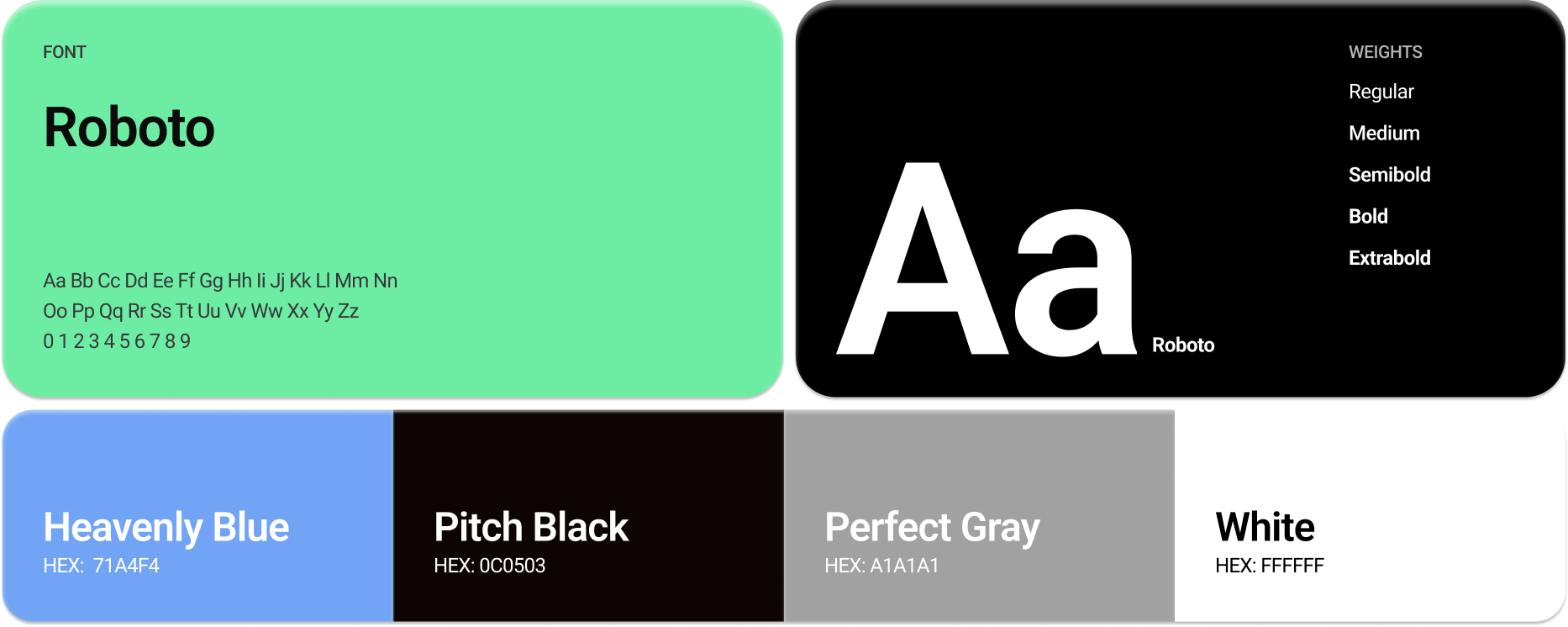
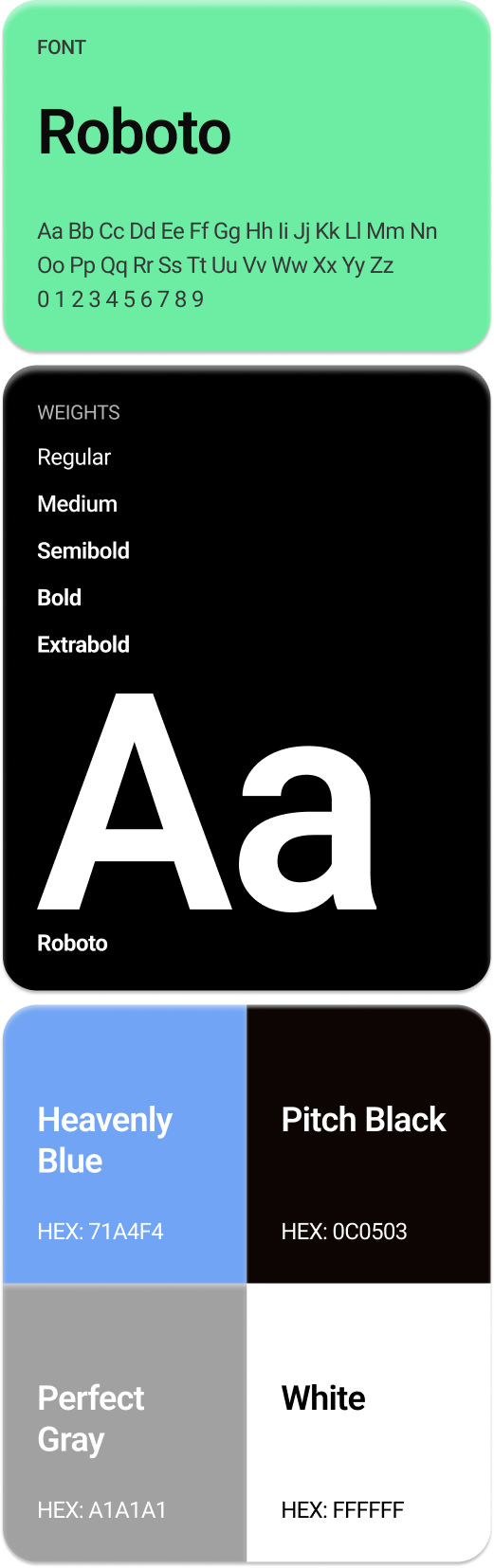
Typography & Color