Papri: Bengali Literature App
Consumer Social
SaaS Platform


CLIENT
Papri
CATEGORY
Consumer Social
TIMEFRAME
6 Weeks
SERVICE
Product Strategy
Development
About Project

- 4,200 Bengali authors publishing on the platform.
- 78,000 works published across poetry, short fiction and serialised novels.
- 310,000 readers across Bangladesh, India and the diaspora.
- Authors earn through reader support, with the top hundred generating meaningful supplementary income.
- Full Bengali typography and input support, which no general platform handled correctly.
- Built in 6 weeks.
Challenge & Solution

Challenge
Bengali authors lacked accessible digital platforms to share creative work and connect with readers, limiting content visibility and cultural engagement opportunities.

Solution
We built a community publishing platform that allows writers to share literature while helping readers discover regional storytelling through structured content discovery workflows.
Bengali is spoken by more than two hundred million people and served almost not at all by digital publishing. Authors were posting work in Facebook groups, where a poem is unfindable a week later, or in PDFs passed around over WhatsApp.
The technical barrier was real and consistently underestimated. General publishing platforms handle Bengali script badly: rendering breaks conjunct characters, input methods are awkward, search does not work properly, and typography that would be unremarkable in Latin script looks wrong. Writers were making aesthetic compromises imposed by tools that had never considered them.
The founder is a writer and had spent years watching good work disappear into group threads. What she described wanting was not a Bengali version of an existing platform. It was one built for the script and for how this literary community actually reads, which includes serialised fiction and a strong tradition of poetry recitation.
The typography work is what earned the platform its credibility with authors, and it is the part that took the largest share of the build. Writers who had accepted broken rendering as a fact of digital life noticed immediately.
Direct reader support has created something close to a viable income for a small number of authors, in a language where almost no digital literary economy existed. Audio recitation, added late in scope, has become one of the most used features.
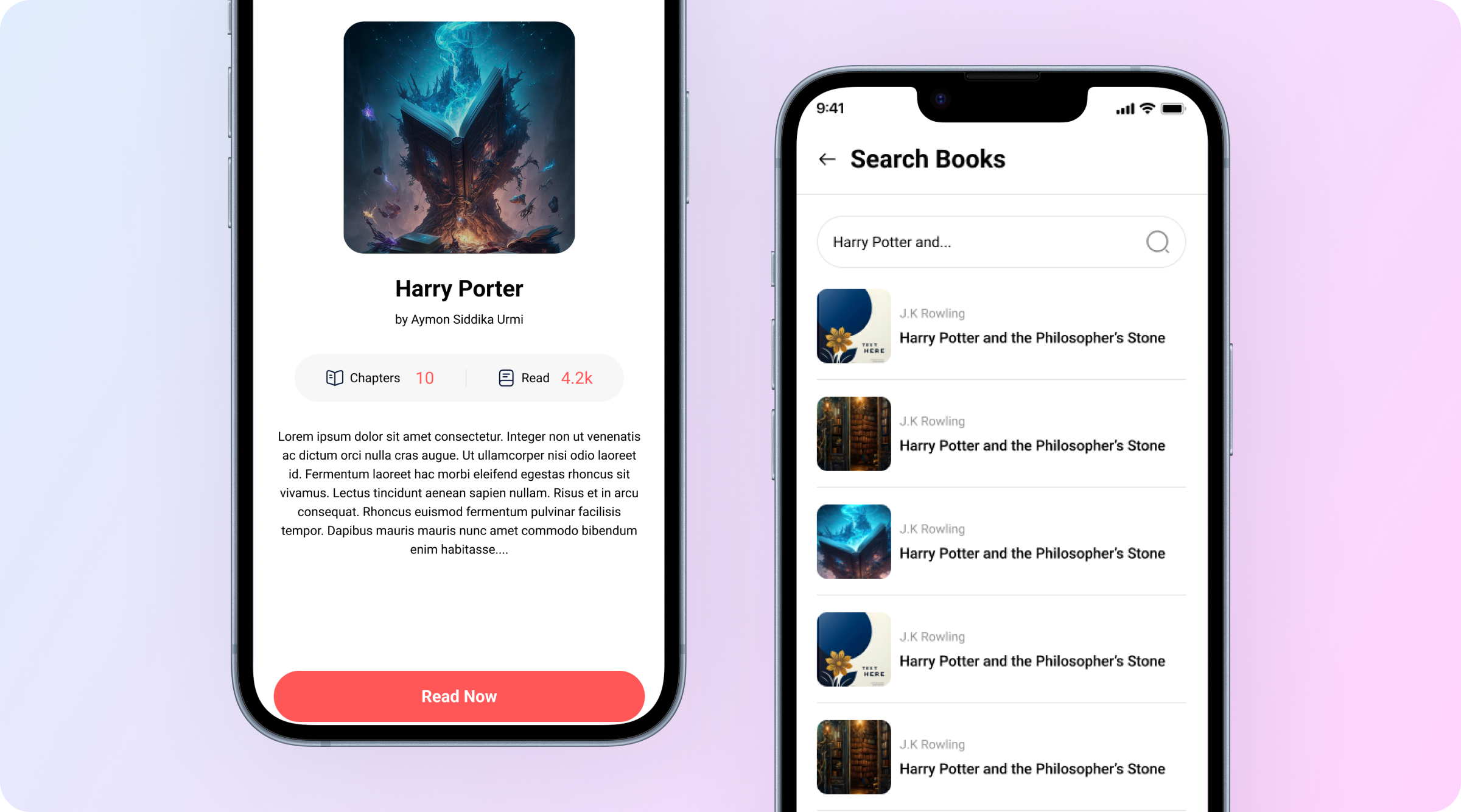
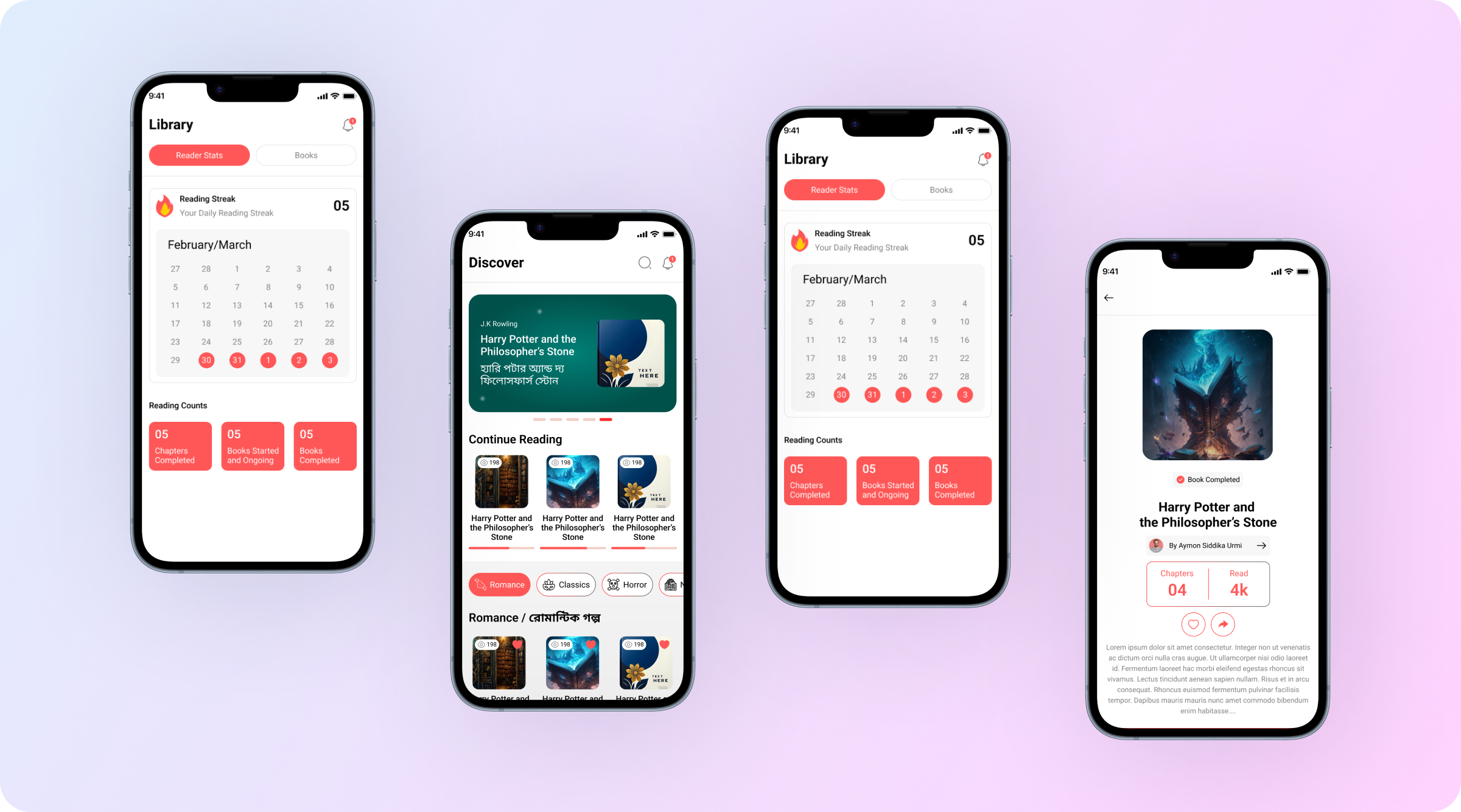
Proper Bengali typography with correct conjunct rendering, a font set chosen for on-screen reading, and an input method that works on both desktop and mobile keyboards without switching apps.
Publishing supports poetry, short fiction and serialised long-form, with chapter scheduling for serials, which is how a large share of readers engage.
Search and discovery index Bengali text properly, including transliterated queries, so a reader who types in Latin characters still finds the work.
Audio recitation attaches to written pieces, reflecting a tradition the written-only platforms ignore. Readers can support authors directly. Collections, curated anthologies and a follow model give discovery a structure, and offline reading handles inconsistent connectivity.
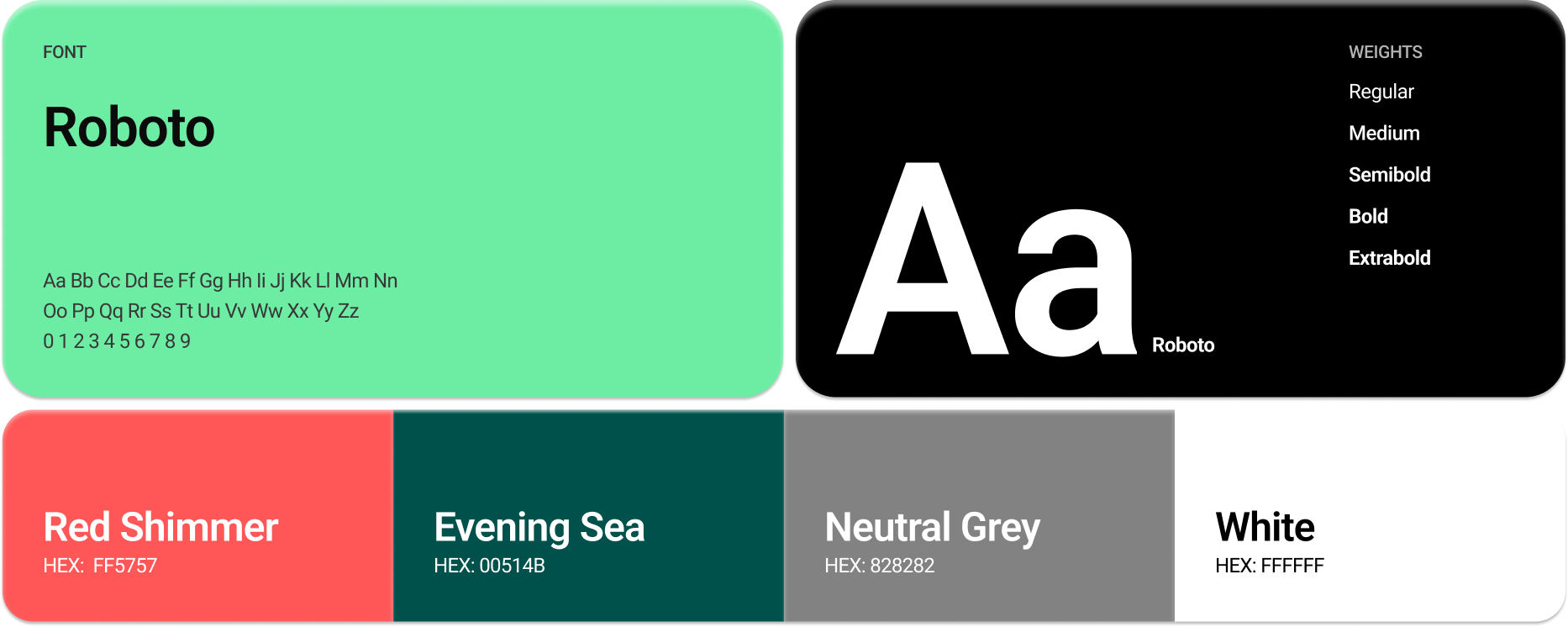
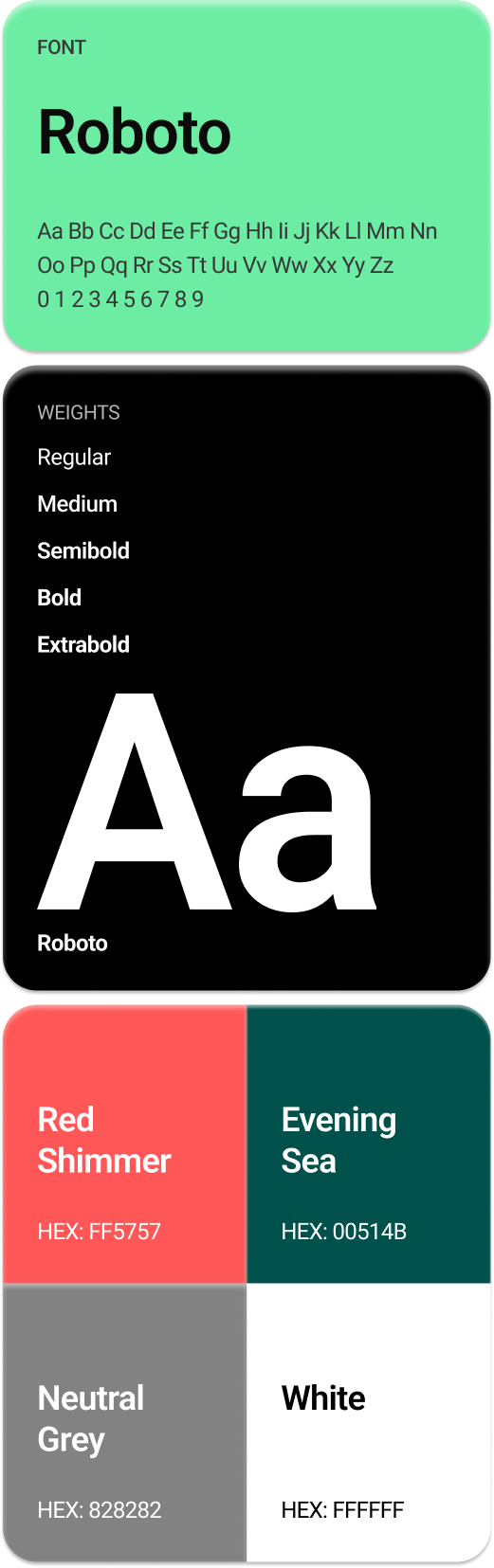
Typography & Color