Probado: Product Testing
SaaS Platform
Marketplace


CLIENT
Probado
CATEGORY
SaaS Platform
TIMEFRAME
8 Weeks
SERVICE
Product Strategy
Development
About Project

- Test cycle from 3 weeks to 4 days for a full round with real users.
- Cost per test round from $4,800 to $390.
- 2,900 startups using the platform in the first year.
- 18,000 tester sessions completed.
- Critical bugs caught pre-launch up 3.6x against the same teams' prior release history.
- Built in 8 weeks.

Challenge & Solution

Challenge
Startups struggled to access affordable and reliable testing resources, leading to product launches with unresolved usability and quality issues.

Solution
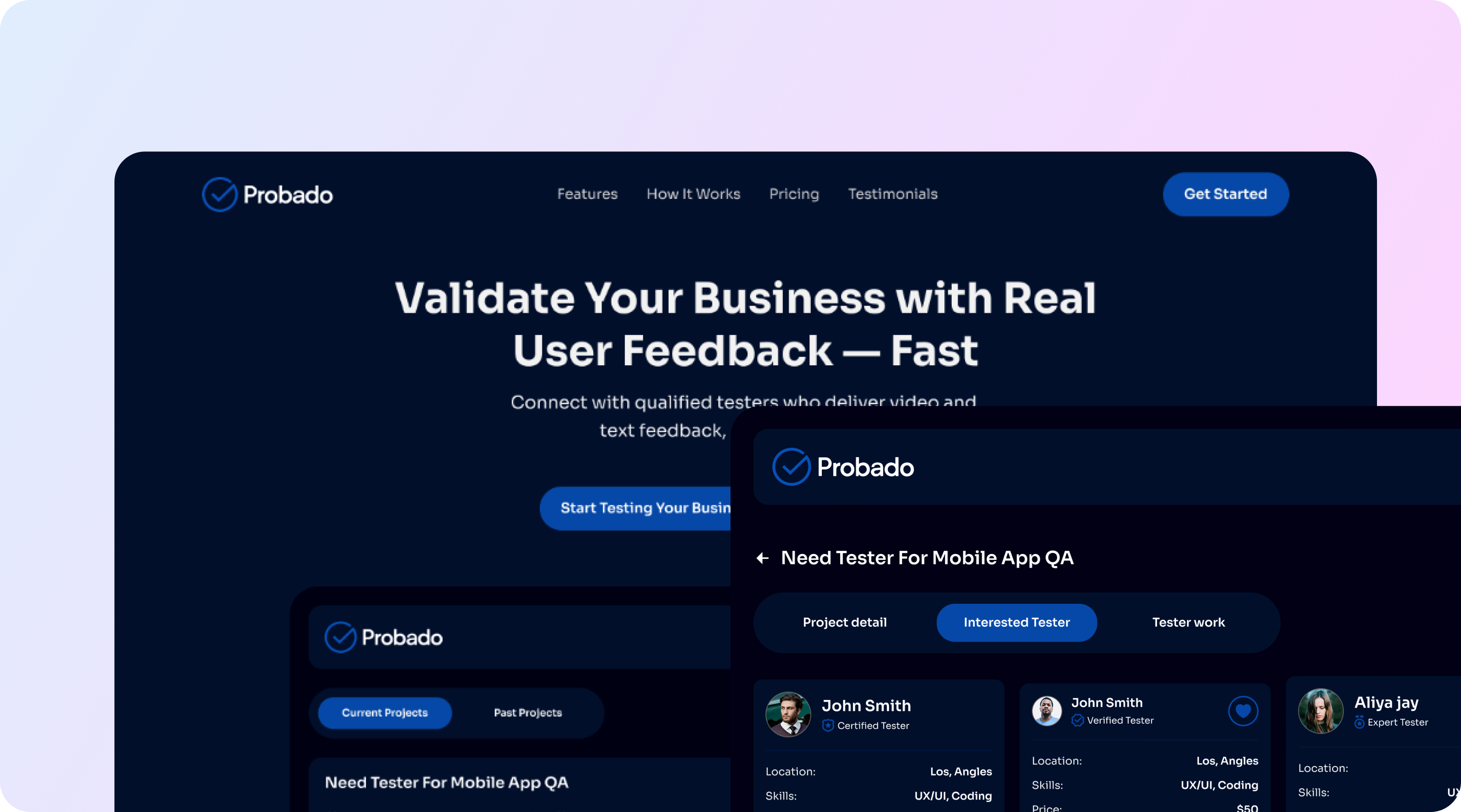
We developed a testing marketplace that connects product teams with testers and automated QA solutions, improving product reliability and reducing quality risks before launch.
Early-stage teams skip user testing, and they do not skip it out of ignorance. They skip it because a traditional research round costs several thousand dollars and takes three weeks, which is longer than their entire release cycle.
So they ship, find out from support tickets and churn, and fix afterwards. The client had watched this pattern across a portfolio of companies and could point at specific products that failed on usability problems a handful of sessions would have caught.
The existing testing panels were built for enterprise research budgets. They recruit carefully, moderate sessions, and produce a report, all of which is appropriate for a large study and absurdly heavy for a founder who wants to know whether eight people can complete signup. Nothing served the case of needing a quick, cheap, directional answer.
Cost and speed together are what changed behaviour. At four days and under four hundred dollars, testing fits inside a sprint, so it stopped being a milestone activity and became routine.
The 3.6x figure on pre-launch bug detection is the outcome that gets quoted, but the client considers the behavioural change more important. Teams that test every sprint make different product decisions than teams that test before a launch.
A tester pool segmented by demographic, technical proficiency and industry, recruited and screened so a team can specify who they need without running recruitment themselves.
Unmoderated sessions record screen, audio and interaction while testers work through defined tasks, which is what makes the four-day turnaround possible.
Sessions are transcribed and timestamped against tasks, with sentiment and hesitation points flagged automatically so a founder can jump to the moments that matter rather than watching eight hours of video.
Beyond that: task completion and time-on-task metrics across the cohort, comparative testing between two versions, a bug report flow that produces reproduction steps, and templates for the common cases including onboarding, checkout and first-run experience.
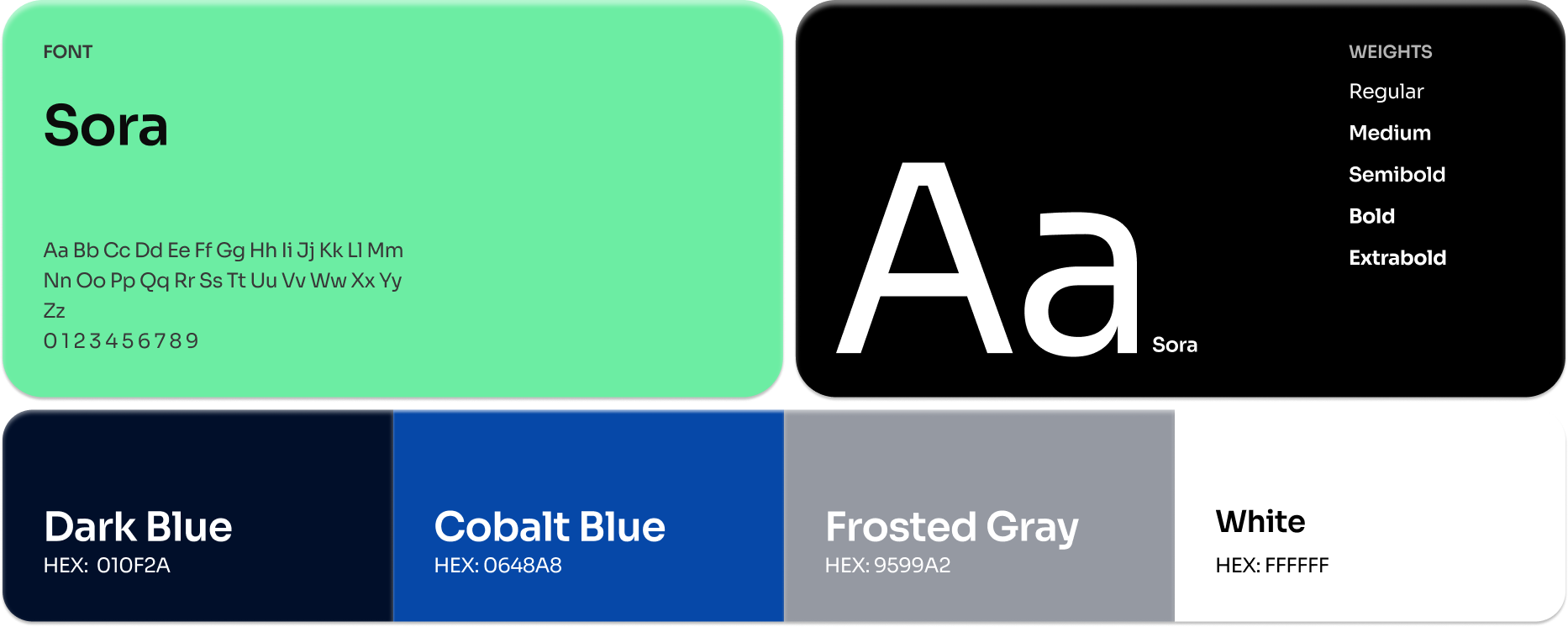
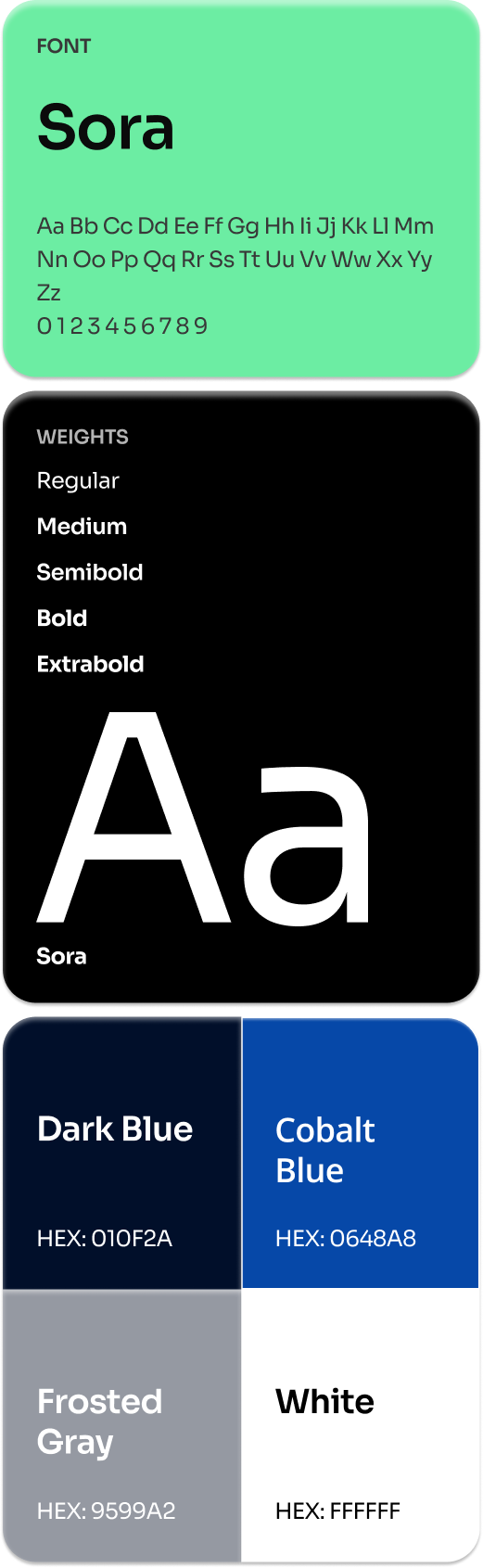
Typography & Color