Push: Restaurant Discovery
Hospitality
Consumer Social


CLIENT
Push App
CATEGORY
Hospitality
TIMEFRAME
8 Weeks
SERVICE
Product Strategy
Development
About Project

- 210,000 users in the first year.
- Recommendation acceptance at 64%, against roughly 12% for anonymous review platforms.
- Average user follows 41 friends, which is the number that makes the feed useful.
- 1.4M restaurant saves logged.
- Zero anonymous reviews, by design.
- Built in 8 weeks.
Challenge & Solution

Challenge
Users found traditional restaurant review platforms unreliable due to anonymous ratings and lacked social discovery tools to explore dining recommendations from trusted friends.

Solution
We built a social dining discovery platform that allows users to share reviews and coordinate outings with friends, creating trusted recommendation networks that improve restaurant discovery experiences.
Anonymous restaurant reviews have a credibility problem that everyone has quietly accepted. A four-star average tells you nothing about whether you will like a place, because you know nothing about the people who rated it, and a meaningful share of the ratings are not genuine at all.
What people actually do is ignore the platforms and text a friend. The founder's observation was that this behaviour is not a workaround, it is the real product, and nobody had built for it properly. Every attempt bolted a social layer onto an anonymous review site, which keeps the broken part and adds friction.
The constraint that followed was uncomfortable and correct: no anonymous reviews at all. Not downweighted, not secondary. If a recommendation does not come from someone you have chosen to follow, it does not appear. That decision made the early product harder to populate and is the reason it works.
A 64% acceptance rate against 12% for anonymous platforms is the entire thesis proven. People act on recommendations from people they know, and they largely ignore aggregate scores.
The cold start problem was as hard as expected. Growth came city by city rather than nationally, because a user with no friends on the platform has nothing, and solving that required concentrated density rather than broad reach.
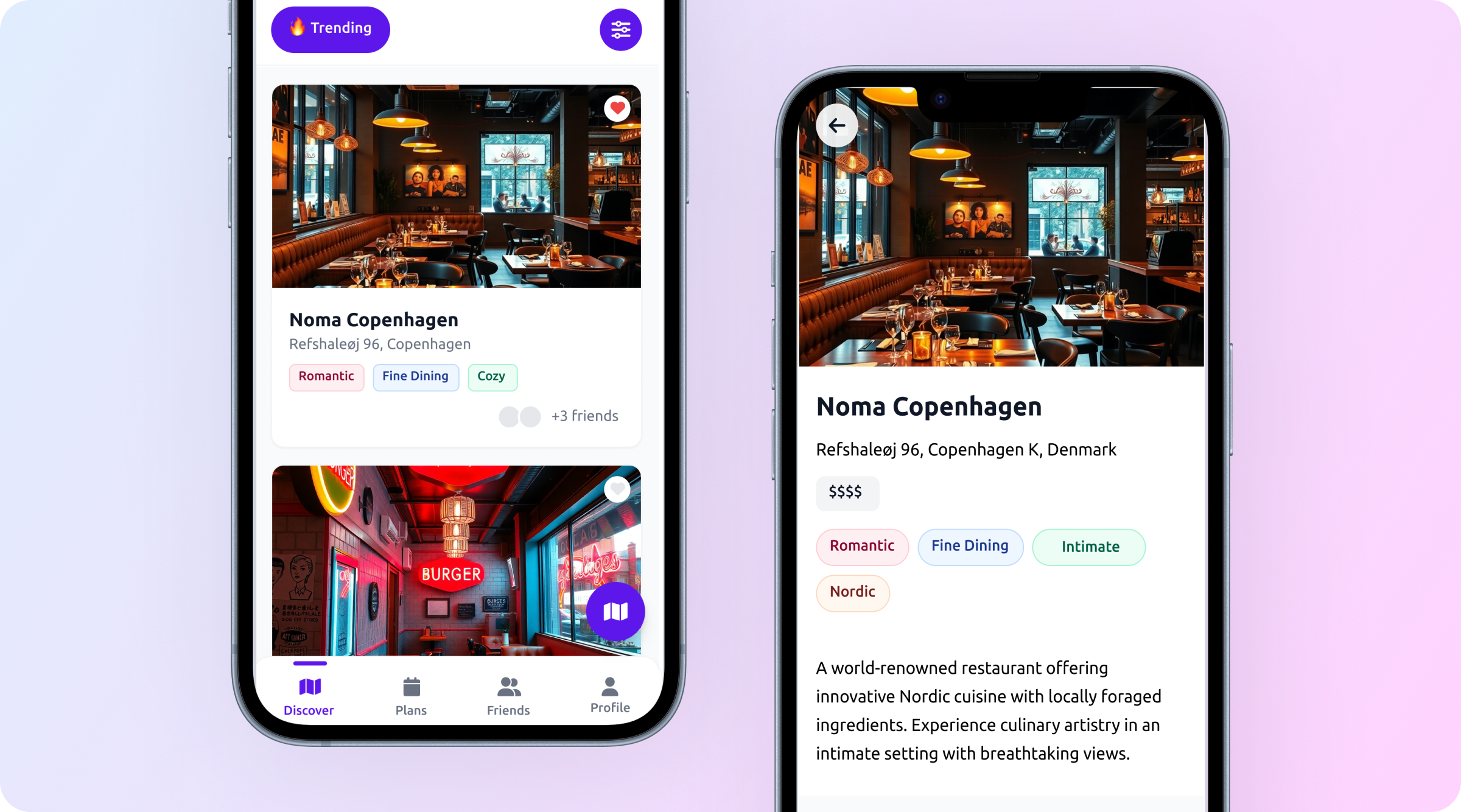
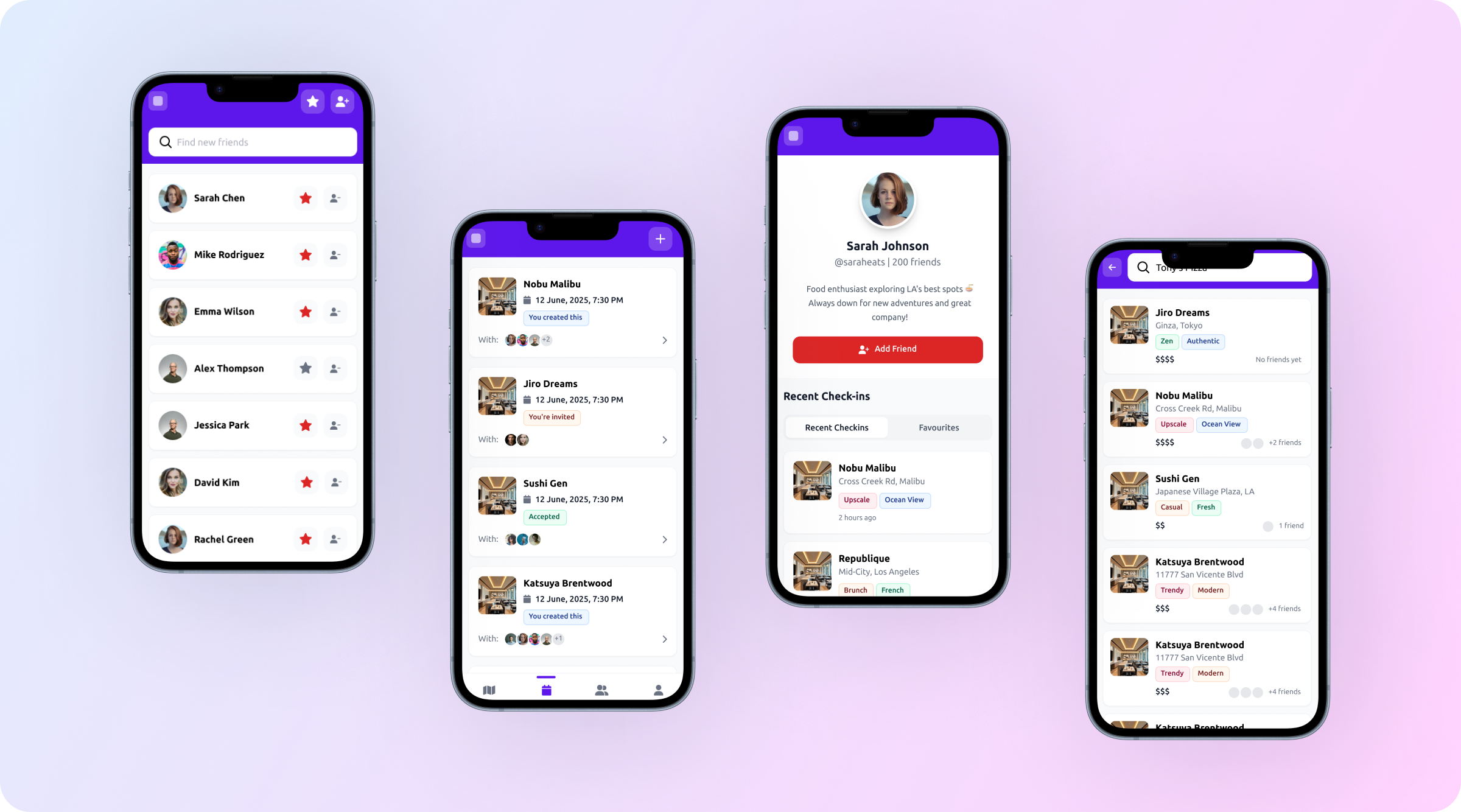
A feed built entirely from people a user follows, with no aggregate score anywhere in the product. A restaurant page shows what your friends said, and nothing if none of them have been.
Reviews are quick and structured: a rating, what you ordered, and a photo, which is what people will actually do at a table rather than write in the evening.
Taste alignment surfaces which of your friends have historically matched your ratings, so a recommendation carries weight proportional to how similar your palates are.
Beyond that: saved lists shareable with friends, occasion tagging so recommendations can be filtered to a context, a nearby view that only shows places within your network's history, and an import flow that finds existing contacts already using the app.
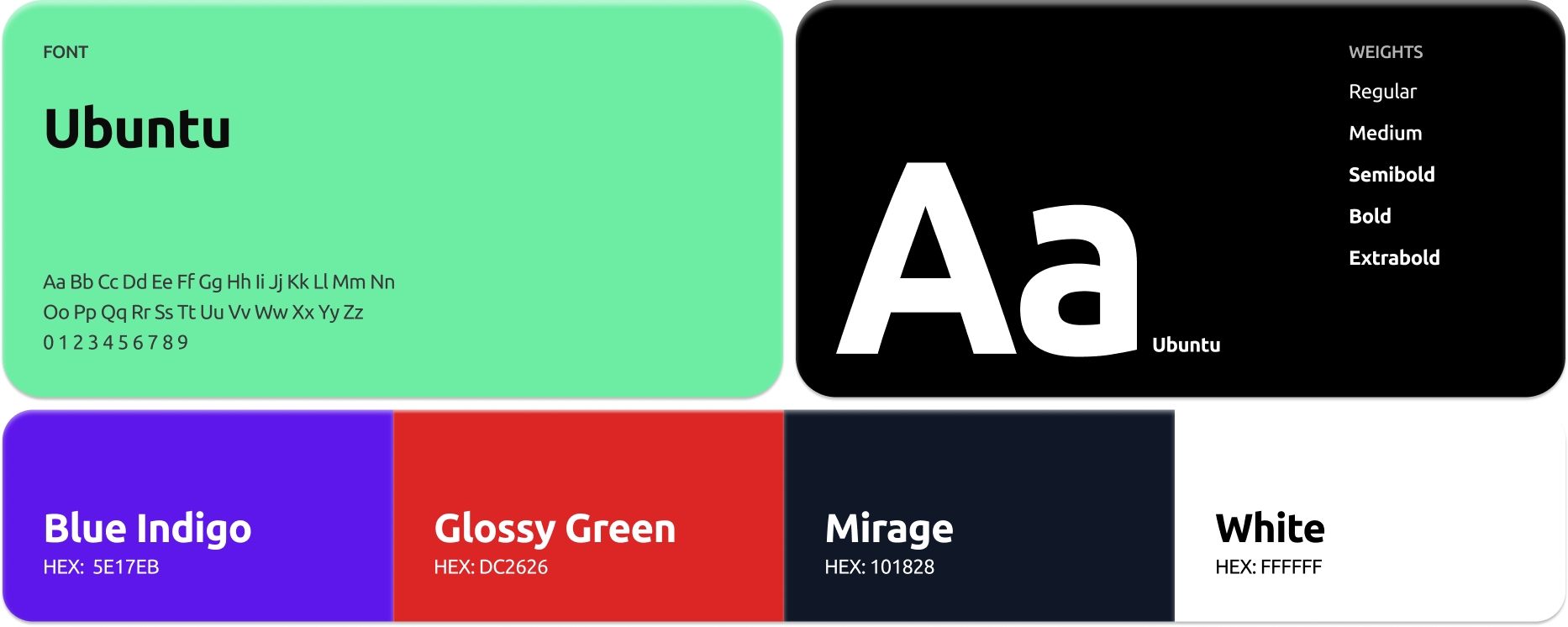
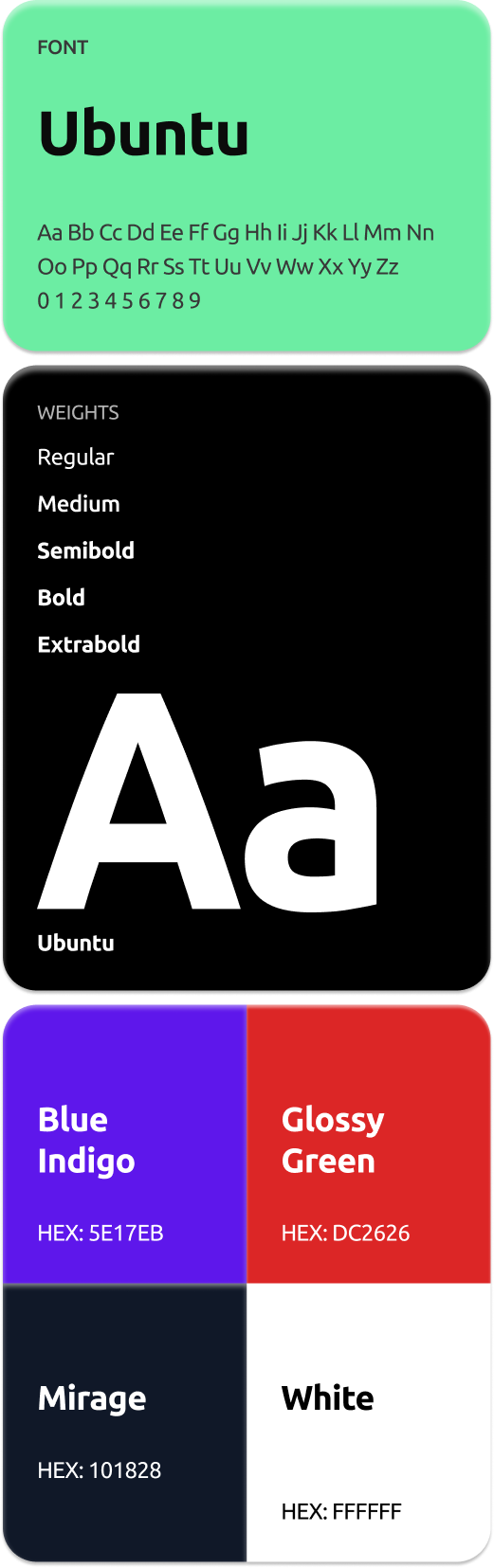
Typography & Color