Respond Central: EMS Dispatch App
Healthcare
Workflow Automation


CLIENT
Life Line Ambulances
CATEGORY
Healthcare
TIMEFRAME
8 Weeks
SERVICE
Product Strategy
Development
About Project

- Transport request to confirmed crew in 3 minutes, down from 22.
- 140 nursing facilities onboarded in the first year.
- Phone calls per request from 6 to under 1.
- 68,000 transports coordinated through the platform.
- Documentation disputes down 81%, with request detail captured in writing at source.
- Built in 8 weeks.
Challenge & Solution

Challenge
Nursing facilities relied on phone based dispatch coordination, creating delays and communication breakdowns during time sensitive emergency transport requests.

Solution
We built a digital emergency request platform that streamlines communication between facilities and ambulance providers, improving response speed, dispatch coordination, and patient transport efficiency.
A nurse at a care facility needs a resident transported. She calls the transport provider, describes the situation to whoever answers, is told someone will call back, and then waits. If the first provider cannot take it, she starts again with the second.
Every detail in that exchange is verbal. Mobility status, oxygen requirements, whether the resident is on a stretcher or can sit, destination, appointment time, insurance authorisation. All of it relayed by phone, written down by a dispatcher, and relayed again to a crew. Errors were routine and the correction always happened at the bedside, with a crew arriving without the right equipment.
The client ran the transport side and could see the cost on both ends: nurses pulled off the floor for twenty minutes per request, and crews dispatched to jobs they were not equipped for. Neither party had any record of what had actually been agreed.
Twenty-two minutes to three is the operational headline, and most of it came from removing the callback loop rather than from crews moving faster.
The written request record resolved a longer-running commercial problem. Disputes about what had been requested, who authorised it and what was actually provided used to come down to two people's recollection, and now come down to a form.
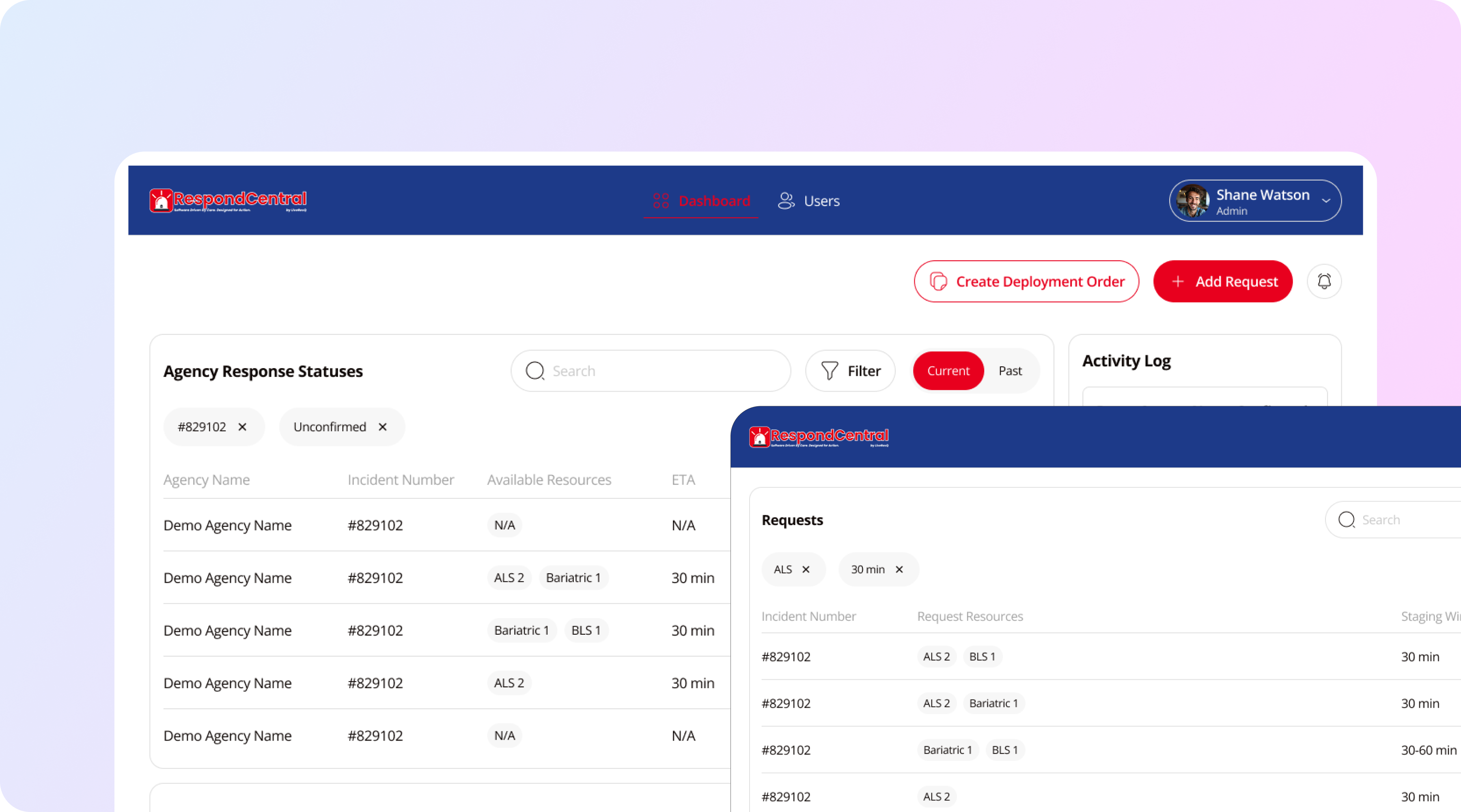
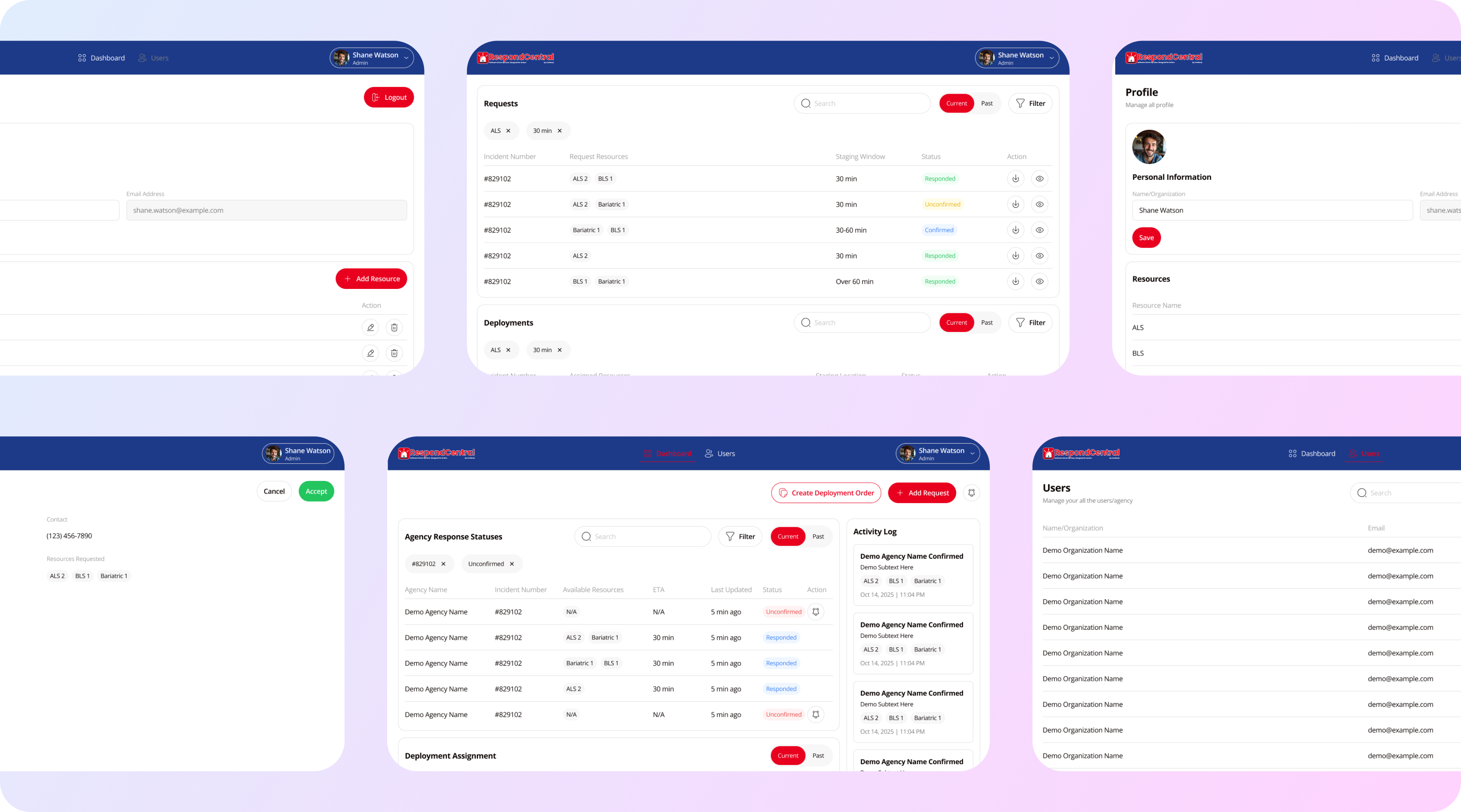
A structured request form used by facility staff, capturing mobility level, equipment needs, oxygen, isolation status, destination, appointment time and authorisation details, so the clinical requirement is written rather than spoken.
Requests route automatically to available crews matched on vehicle type and certification, with acceptance confirmed back to the facility in the app rather than by return call.
Live status tracking shows the facility where the crew is and the expected arrival, which removes the follow-up calls entirely.
Beyond that: recurring transport scheduling for dialysis and regular appointments, electronic signature at pickup and handover, documentation attached to the transport record, and a facility dashboard covering history, spend and on-time performance for contract review.
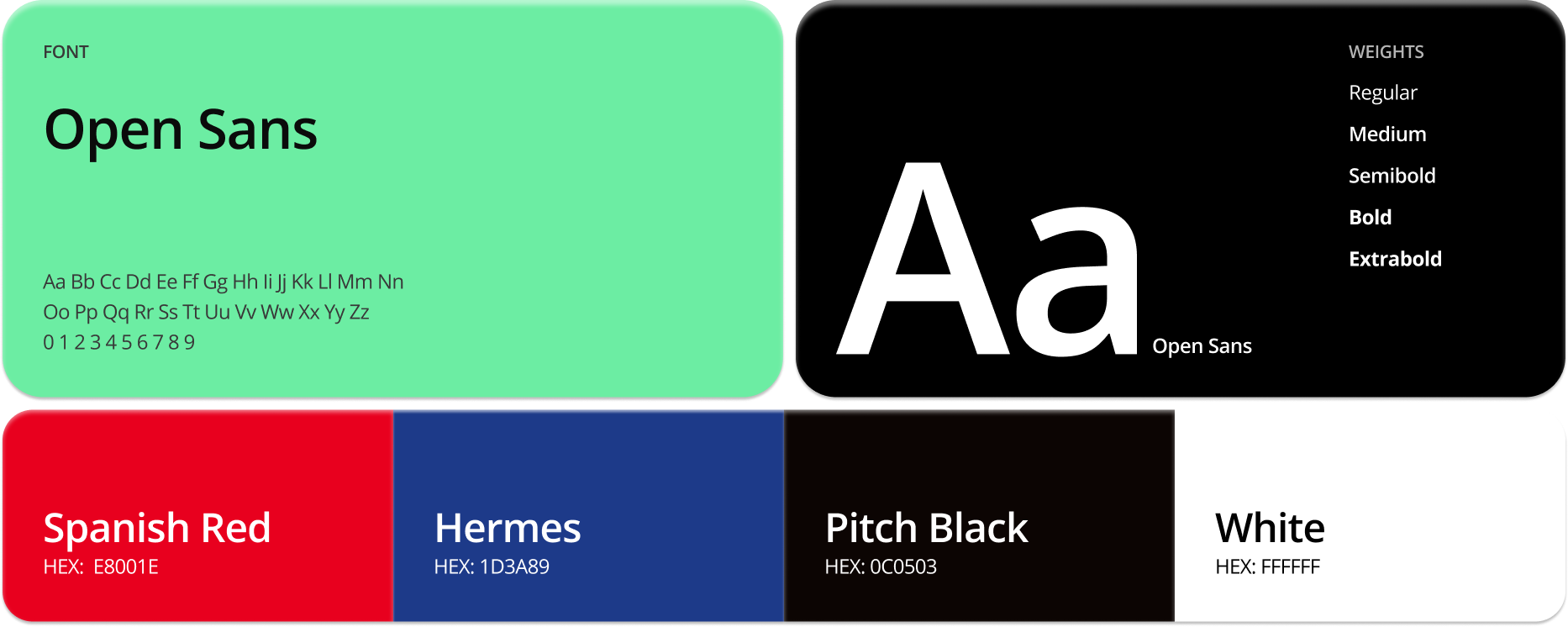
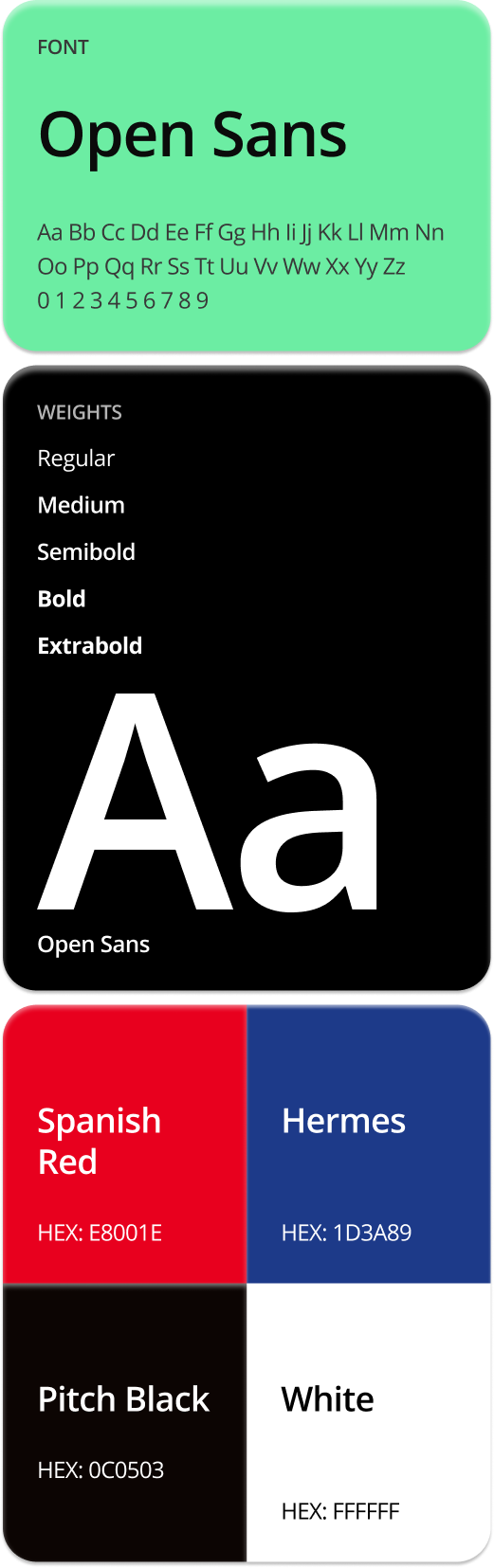
Typography & Color