Spirit Airlines: Group Booking
Airline
Booking Platform


CLIENT
Spirit Airlines
CATEGORY
Airline
TIMEFRAME
10 Weeks
SERVICE
Product Strategy
Development
About Project

- 3 days to 40 minutes on the average group quote for parties of 20 or more.
- 140 to 610 group bookings a month within two quarters of launch.
- 17 staff hours a week returned to the group desk, with no change in headcount.
- 84% fewer pricing corrections once fares moved from manual lookup to a rules engine.
- Payment collection down from 11 days to 4 using deposit-and-balance splits.
- Live in 10 weeks, ahead of the spring break booking window.
Challenge & Solution

Challenge
Group bookings for large travel parties required manual coordination, creating delays, pricing inconsistencies, and operational inefficiencies for both customers and airline staff managing reservations.

Solution
We delivered a digital booking system that simplifies group travel coordination while enabling airline teams to manage approvals, pricing, and reservations efficiently. This improved customer experience and accelerated group booking revenue growth.
The group sales desk was running on a shared inbox and one spreadsheet that four people edited at the same time. Any party over twenty passengers needed a manual quote: an agent pulled fare classes by hand, checked inventory, applied a discount from a printed matrix, and emailed back a PDF. Turnaround was three days in a good week.
Spring break broke it every year. Sports teams, school groups and wedding parties all book inside the same eight-week window, and the desk simply queued. Organisers who did not hear back within 48 hours booked elsewhere, and nobody could say how many did, because unanswered requests were never logged anywhere.
They had looked at bolt-on modules from two GDS vendors. Both assumed a pricing model the airline does not use, and neither handled the internal approval chain that anything past a set discount threshold has to clear. We were introduced through a vendor they already worked with, scoped the build in a week, and had ten weeks before the booking window opened.
The group desk now processes roughly four times the volume it did before, with the same six people. The spring break window passed without overtime for the first time anyone there could remember, and the queue of unanswered requests, the thing nobody had been able to measure, no longer exists, because every request enters the pipeline whether or not an agent has opened it.
Revenue management has data it never had: which discount tiers convert, which lapse, and what the desk is worth per quarter. That reporting is now the basis of the case for extending the same workflow to charter and cargo, which is the next phase of work.
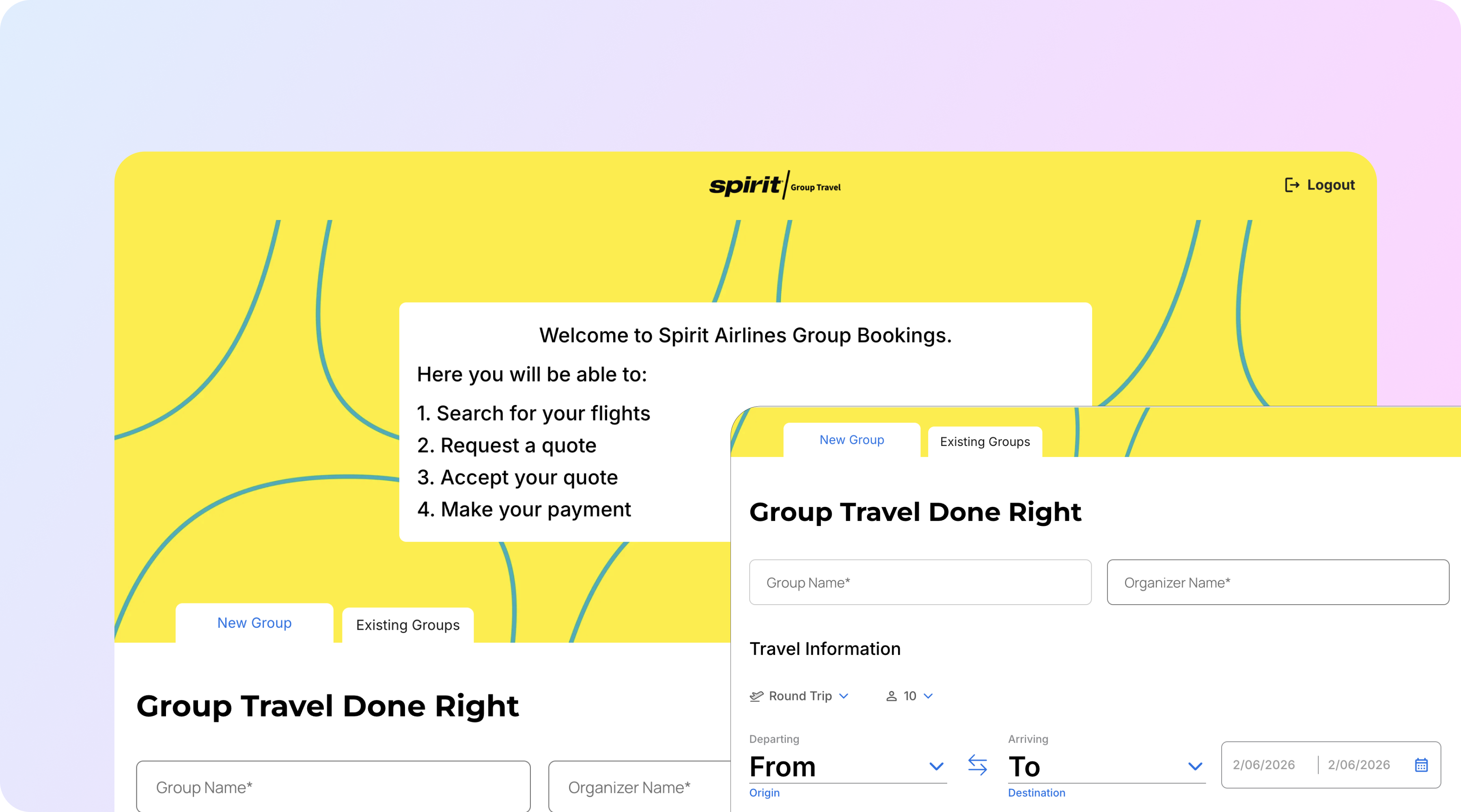
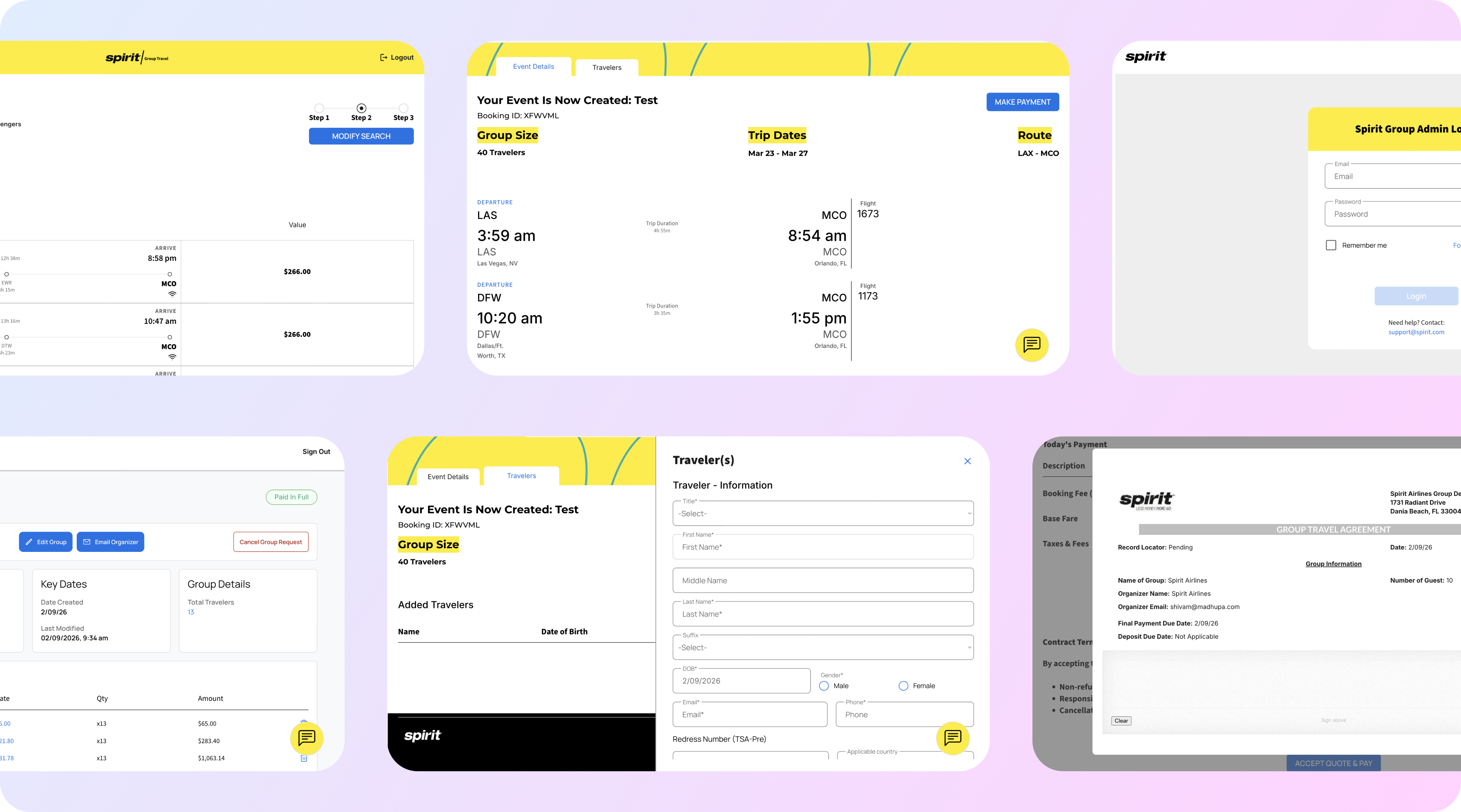
A public group quote request form with CSV manifest upload, so an organiser pastes a passenger list instead of typing twenty names into a web form.
Behind it sits a rules-based pricing engine that checks live fare class inventory through the Sabre integration, applies the discount matrix automatically, and flags anything outside policy rather than approving it silently. Quotes carry an expiry timer, so held inventory releases on its own.
The approval chain runs agent to supervisor to revenue management, with each tier triggered by discount depth rather than passenger count. Deposit and balance payments split through Stripe, with automated reminders to the organiser at 30, 14 and 3 days.
Agents work from an internal dashboard covering quote pipeline, expiry, conversion rate and desk workload. Manifest editing stays open until 72 hours before departure with seat blocks held throughout, and role-based permissions keep pricing controls with the people authorised to change them.
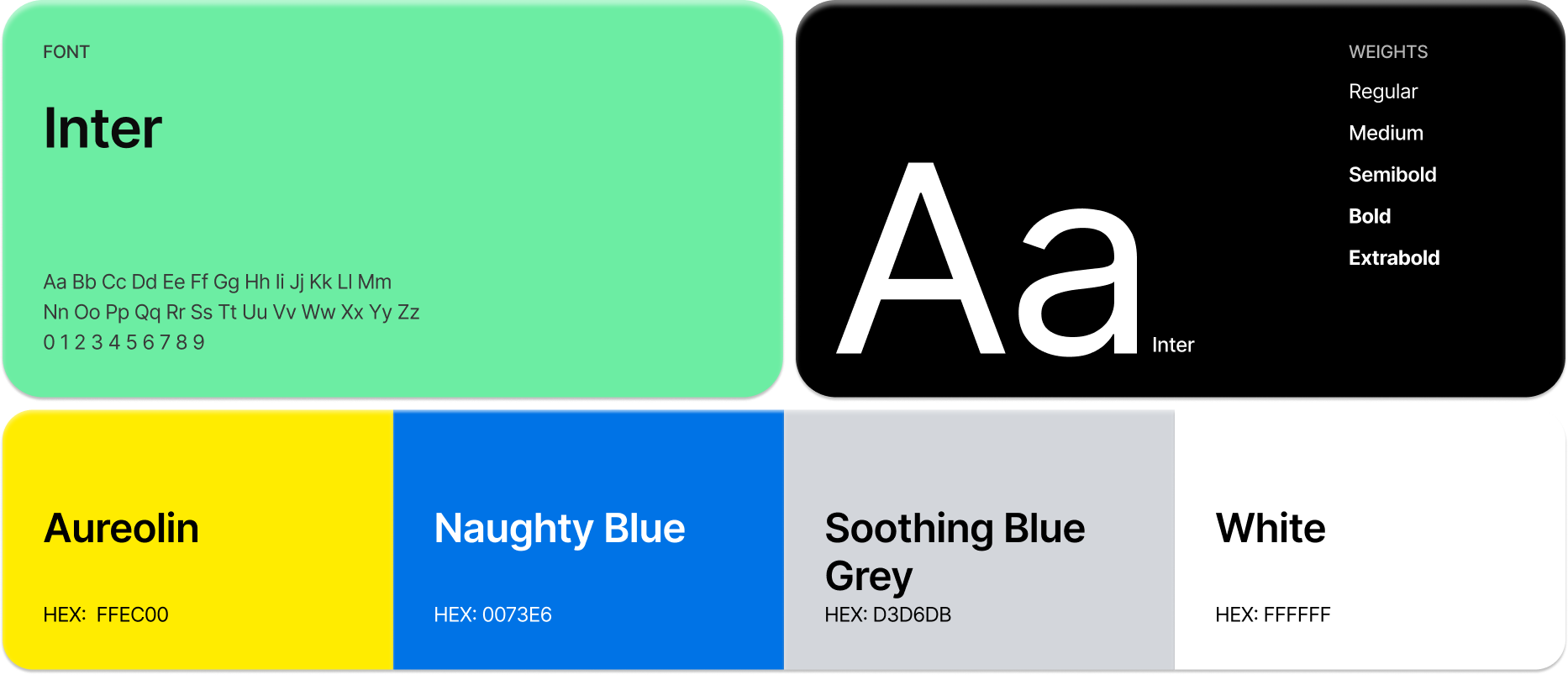
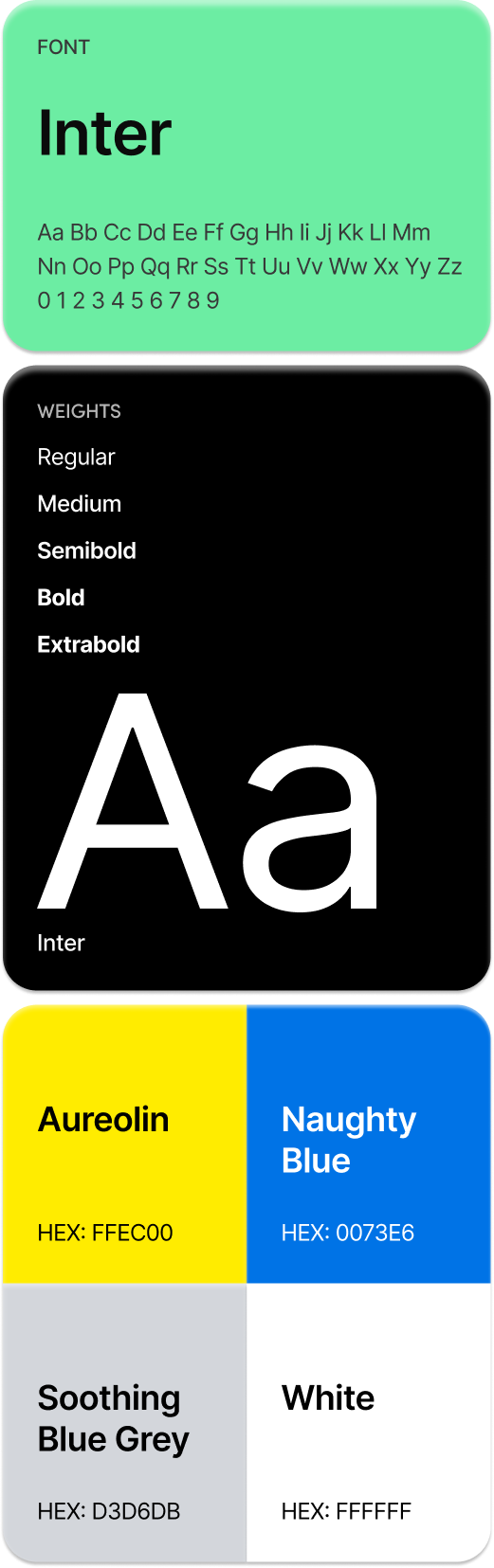
Typography & Color