StackStack: Wellness Tracking
Healthcare
Mobile App


CLIENT
Wellness Supplement Brand
CATEGORY
Healthcare
TIMEFRAME
6 Weeks
SERVICE
UX/UI
Development
About Project

- Routine adherence at 71% at ninety days, against a category norm nearer 20%.
- 41,000 active users tracking daily.
- Logging takes under 15 seconds a day.
- Reorder accuracy within 3 days of actual run-out, calculated from consumption.
- Customer support contacts down 44% for questions the app answers directly.
- Built in 6 weeks.
Challenge & Solution

Challenge
StackStack customers lacked structured tools to track usage routines and monitor progress, reducing long term engagement and product effectiveness.

Solution
We developed a wellness tracking platform that allows users to follow supplement programs and monitor progress, improving customer consistency and strengthening long term brand engagement.
The client had customers taking four or five products on different schedules, some with food, some without, some twice daily, and no practical way to keep track. People were managing it with a phone alarm and a rough memory of what they had taken.
The consequence was not just missed doses. It was that customers could not tell whether the regimen was working, because they did not know how consistently they had followed it. Someone who took a product sixty percent of the time and felt no benefit concluded the product was ineffective, which may or may not have been true.
Existing habit trackers were the wrong shape. They are built for one behaviour repeated daily, and they ask for too much input. A supplement routine involves several items with different rules, and any app demanding more than a few seconds a day gets abandoned in the second week, which the client had already tested and confirmed.
Seventy-one percent adherence at ninety days is the number the client uses commercially, because adherence is what determines whether a customer perceives a result and therefore whether they reorder.
The clinician export was a late addition and has become a differentiator. Customers bringing a documented regimen to a doctor get a different conversation than customers describing it from memory.
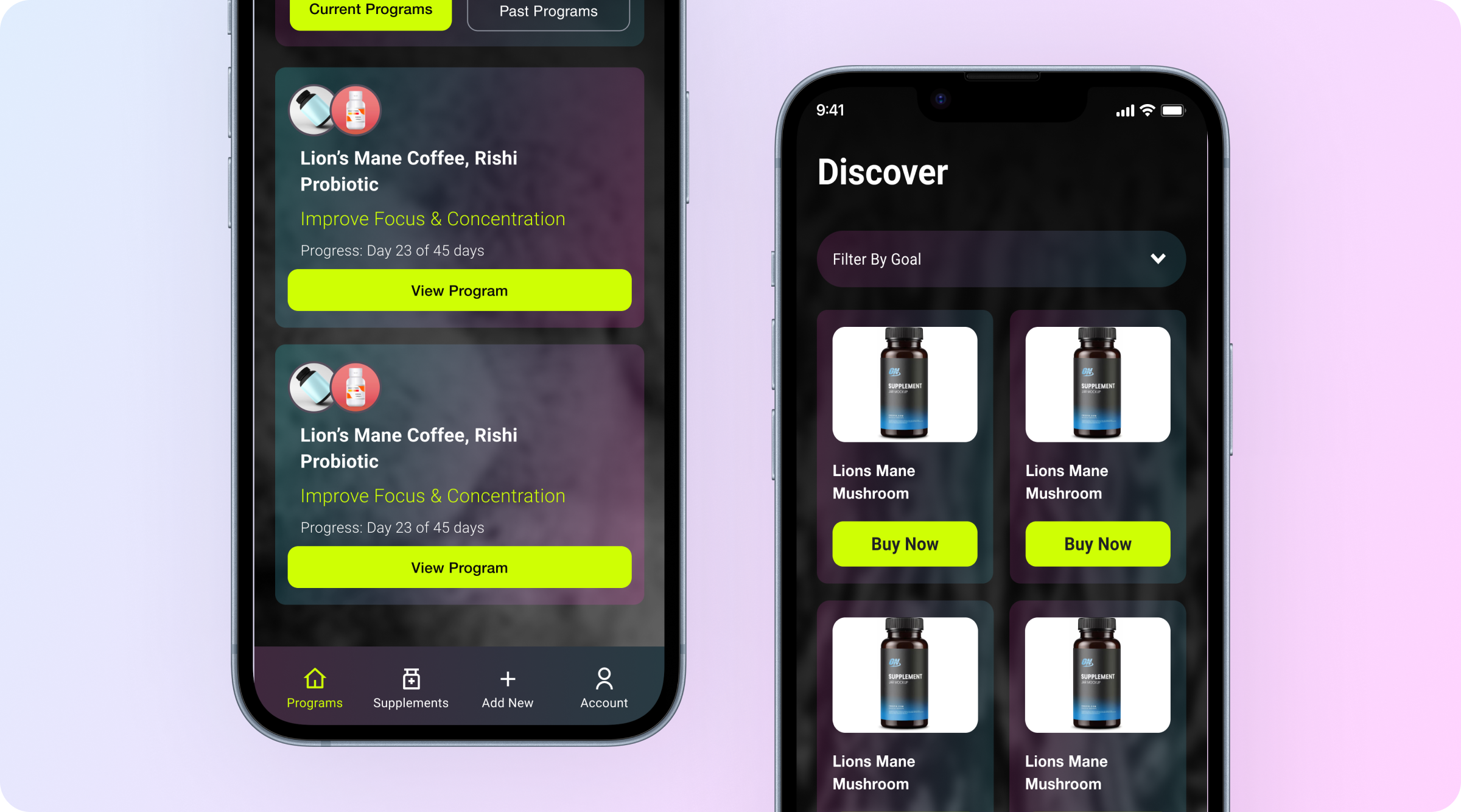
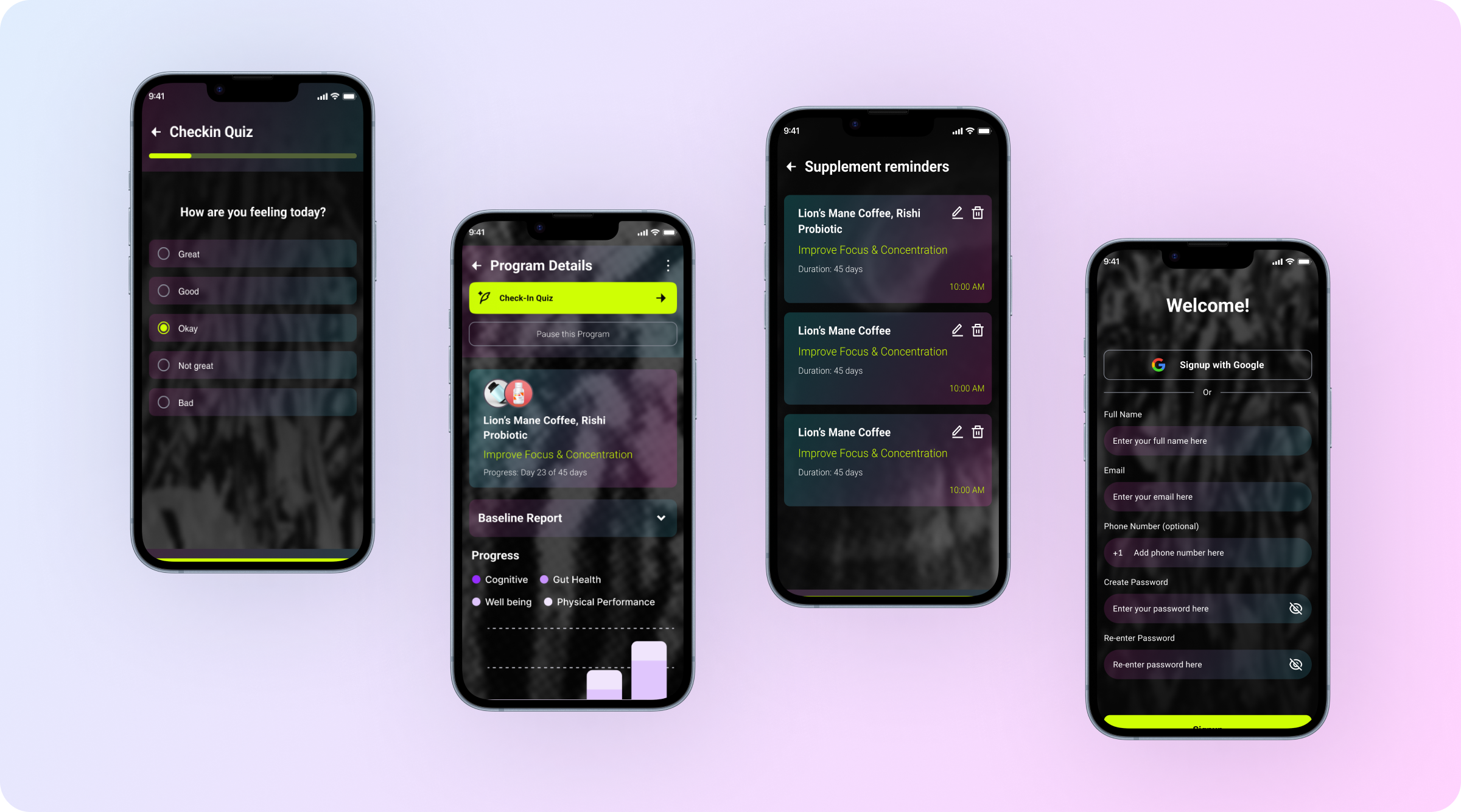
Routine setup covering multiple products with individual schedules, dose sizes, food requirements and cycling patterns, including products taken on and off in blocks.
Daily logging is a single screen of taps, deliberately stripped back, because every additional field measurably reduces the chance the log happens at all.
Adherence is calculated per product and overall, and presented alongside self-reported markers so a user can see the relationship between how consistently they took something and how they felt.
Beyond that: consumption-based reorder prediction rather than fixed subscription intervals, interaction and timing conflict warnings across a stack, an export a user can take to a clinician, and reminders that adapt to when a person actually logs rather than when they said they would.
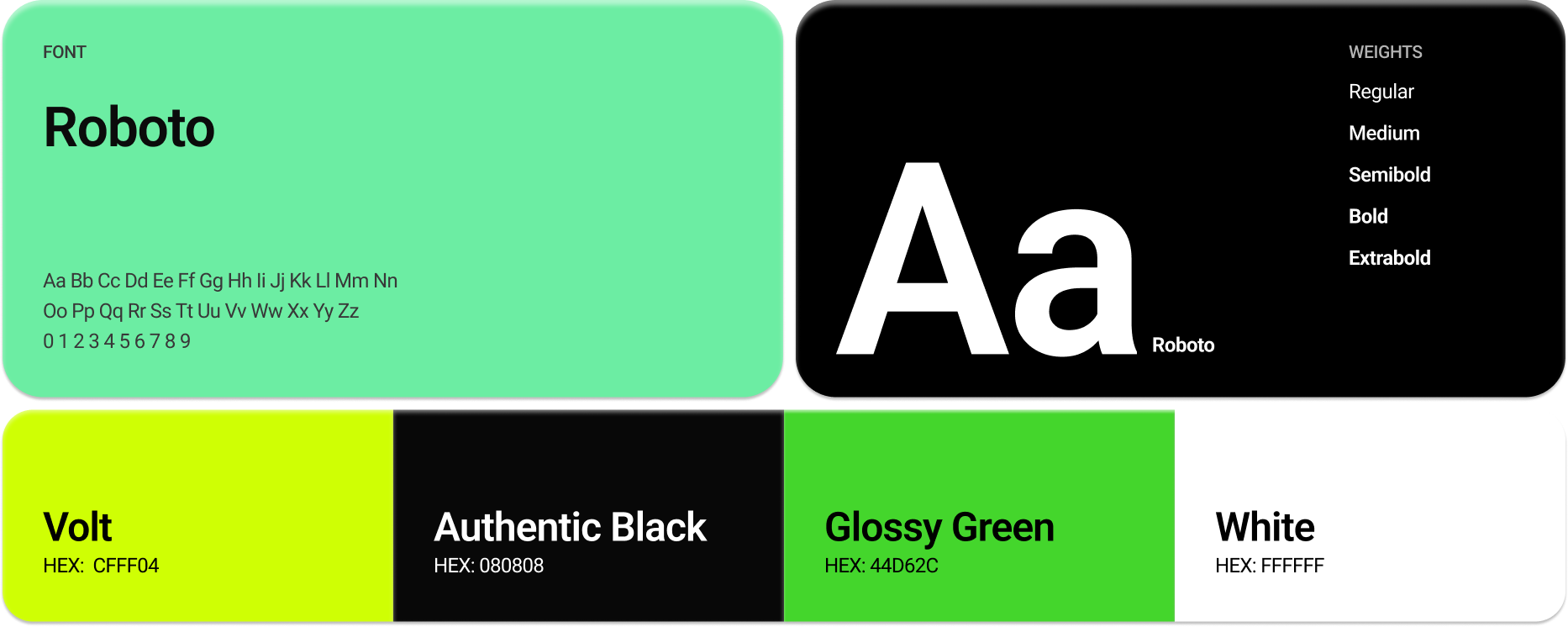
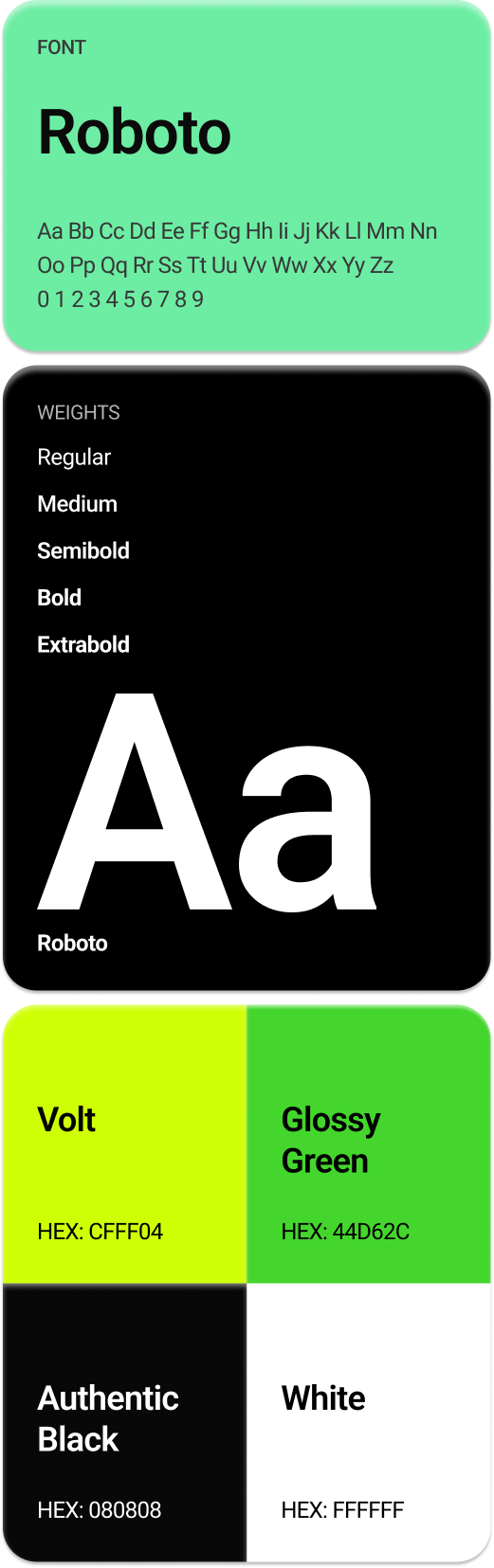
Typography & Color