Stridely: Social Fitness Tracker
Healthcare
Mobile App


CLIENT
Stridely
CATEGORY
Healthcare
TIMEFRAME
6 Weeks
SERVICE
UX/UI
Development
About Project

- Ninety-day retention at 52%, against roughly 8% for solo fitness tracking apps.
- 310,000 users in the first eighteen months.
- Users in an active group train 2.7x more often than users without one.
- 1.2M workouts logged.
- Median group size of 6, which turned out to be the number that works.
- Built in 6 weeks.
Challenge & Solution

Challenge
Fitness tracking apps often failed to maintain user engagement due to lack of social accountability and motivational community features.

Solution
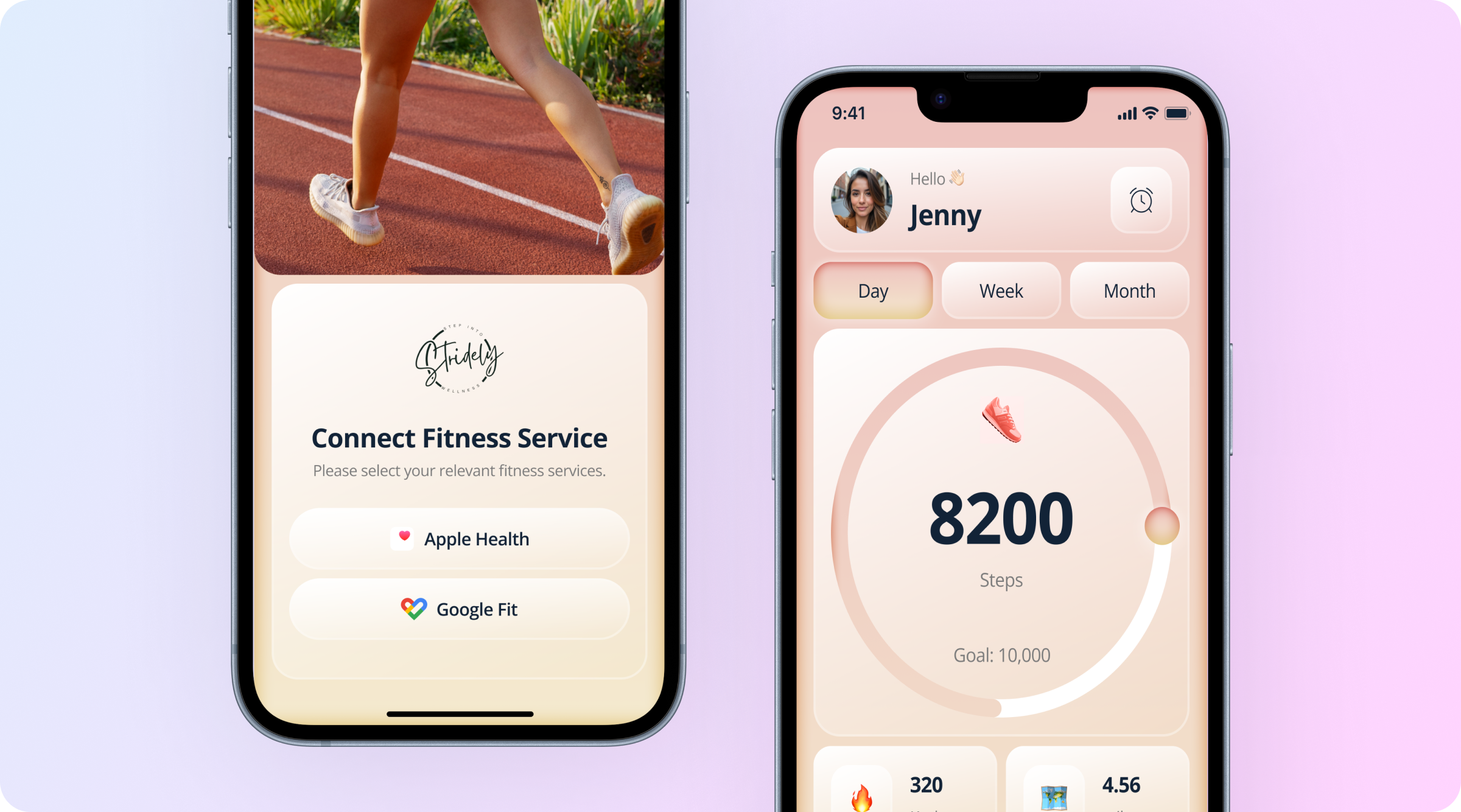
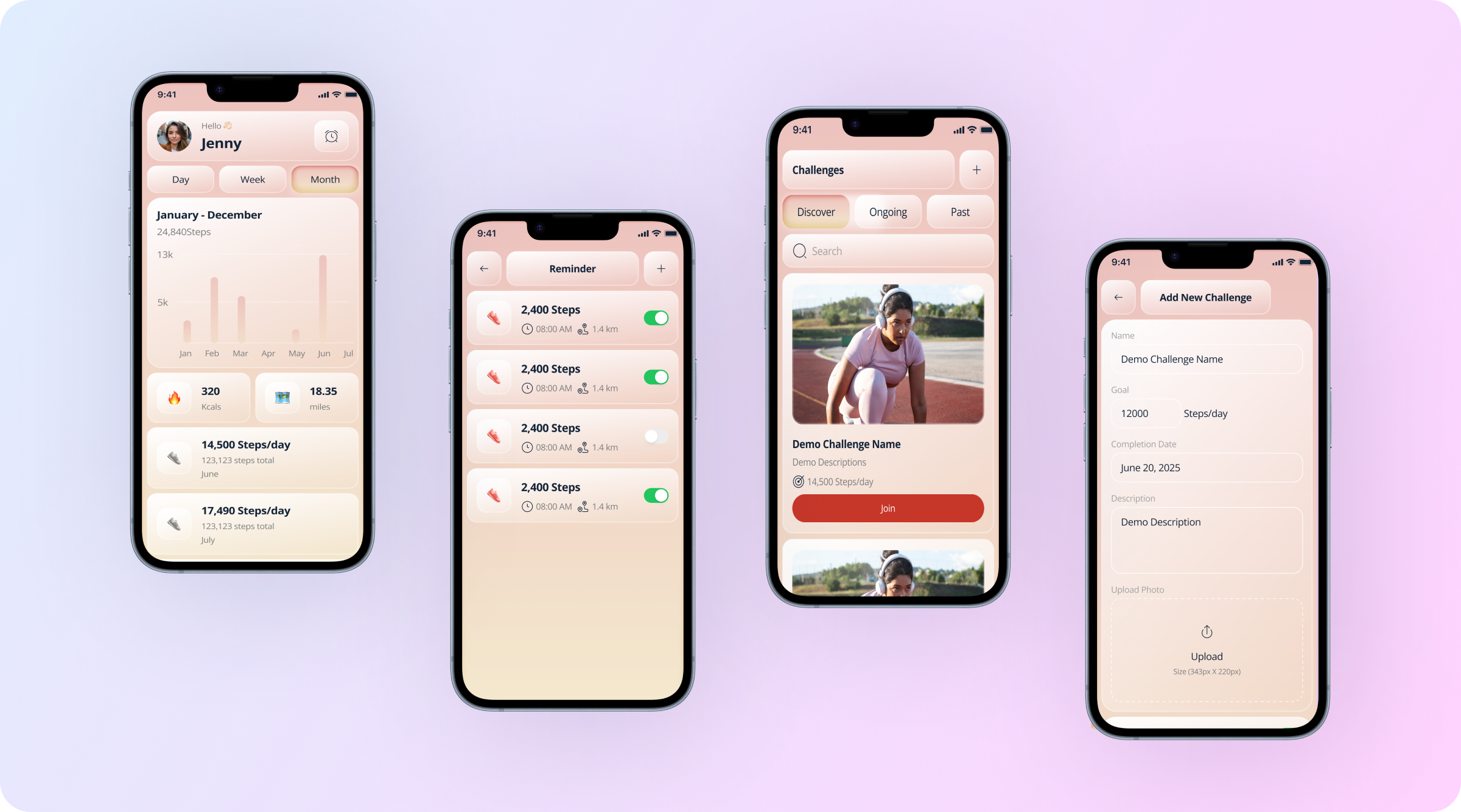
We built a social fitness tracking app that enables users to create challenges and compete with friends, improving engagement and encouraging consistent physical activity.
Fitness apps have a retention problem that is well documented and rarely solved. Most users stop inside a month. Tracking your own workouts is a chore with a delayed and uncertain payoff, and no amount of streak badges changes that.
The client's starting observation was that the people who do stick with it almost always have someone else involved: a training partner, a running club, a group chat where people post what they did. The accountability is social and the apps had reduced it to a leaderboard, which is competition rather than accountability and works for a small minority.
What they wanted to build for was the small group. Not a global feed, not rankings, but five or six people who actually know each other and will notice if you disappear for a week. That is a different product with different mechanics, and the size constraint was part of the brief from the start.
Fifty-two percent at ninety days against a category norm around eight is the whole result, and it comes from a structural choice rather than a feature. People stay because other people notice.
The absence nudge was contentious internally and has proven the most effective mechanic in the product. Prompting the group rather than the individual turns a lapse into a message from a friend instead of a notification from an app.
Small groups by design, with a soft cap that keeps them at a size where every member is visible to every other.
Workout logging is quick and posts to the group automatically, so the accountability is a side effect of tracking rather than a separate action.
Group challenges run on shared goals rather than rankings, so the unit of success is collective and a struggling member is supported instead of exposed at the bottom of a table.
Beyond that: absence nudges that prompt the group rather than the individual when someone goes quiet, reactions and comments on logged sessions, shared training plans a group can follow together, and progress views that compare a member against their own history rather than against anyone else.
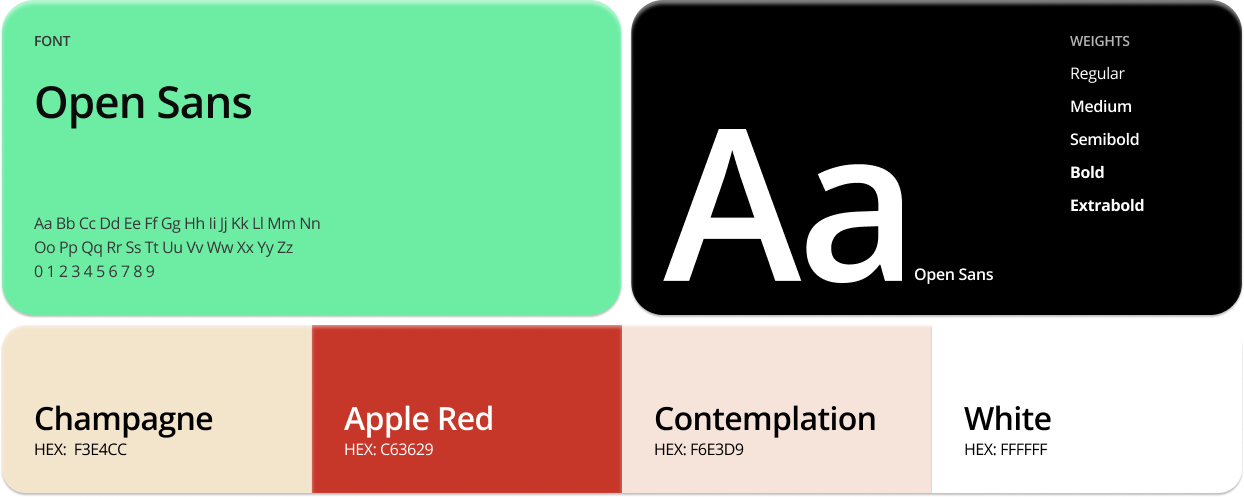
Typography & Color